
Kolkata
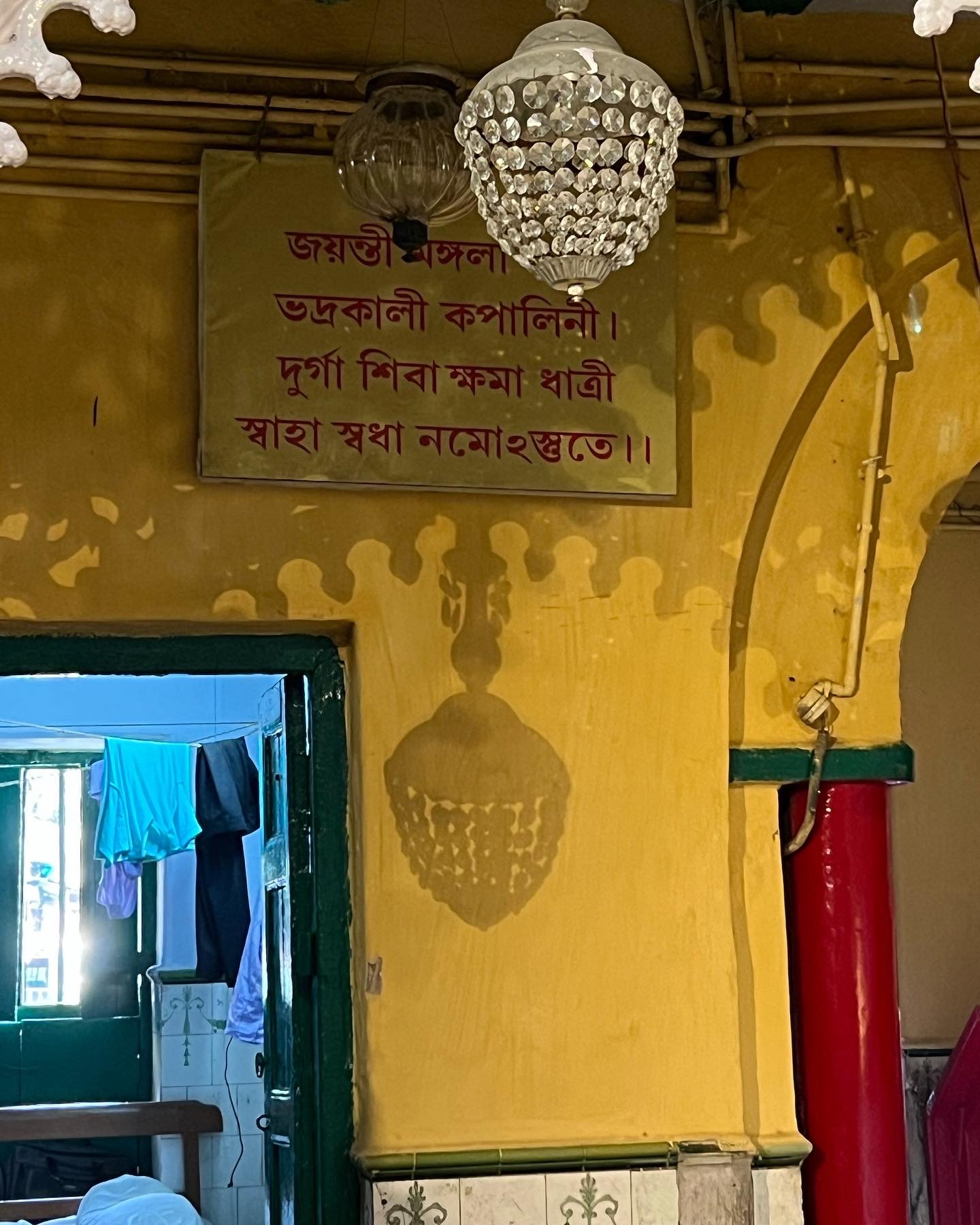
Despite rapid growth Kolkata retains something of the feel that it is a collection of villages as much as a vast metropolis. Old mansions built during the Bengal renaissance are a testament to its intellectual, artistic and revolutionary spirit; and the sturdy British architecture a sad memorial to the British occupation and the start of their pillage of India. Memorials to more culturally sensitive Brits like William Jones who worked out the links between Indian and European languages can be found in Park Street Cemetery,
Bengali literary culture remains strong, as a stroll down College Street will show you. The textile traditions are varied and thriving, from sturdy homespun khadi to fine jamdani cotton. Indigo dyeing and block printing can be seen at Weavers Studio, and shopping opportunities abound: my favourites Byloom and Sienna Stores (also home to an excellent restaurant) both in Hindustan Park.
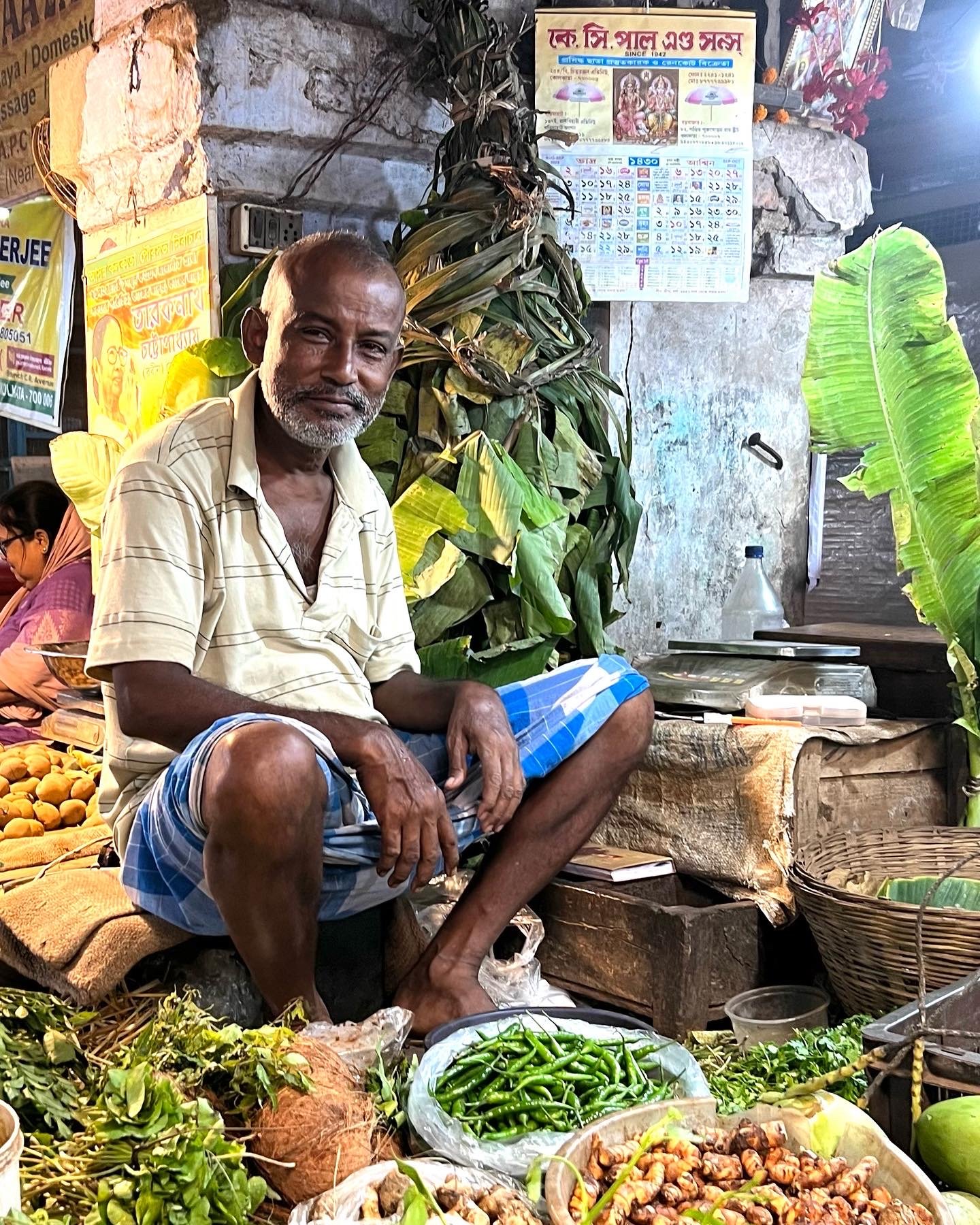
Good food, wonderful colours, garrulous citizens. Even this country mouse loves Kolkata
We use well known guides, two women and two men take care of our guests, all with imaginative, creative ways of showing you the city they love.
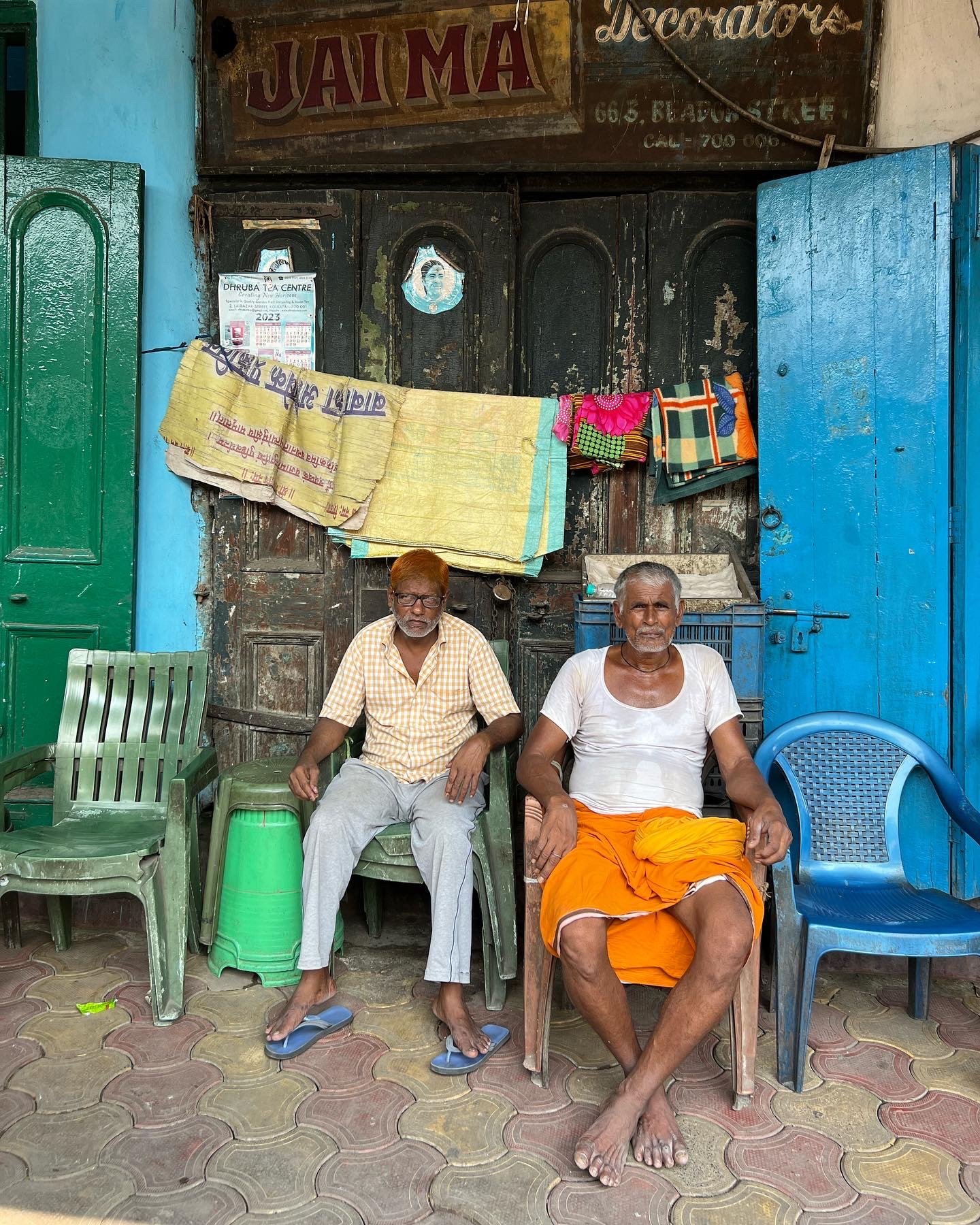
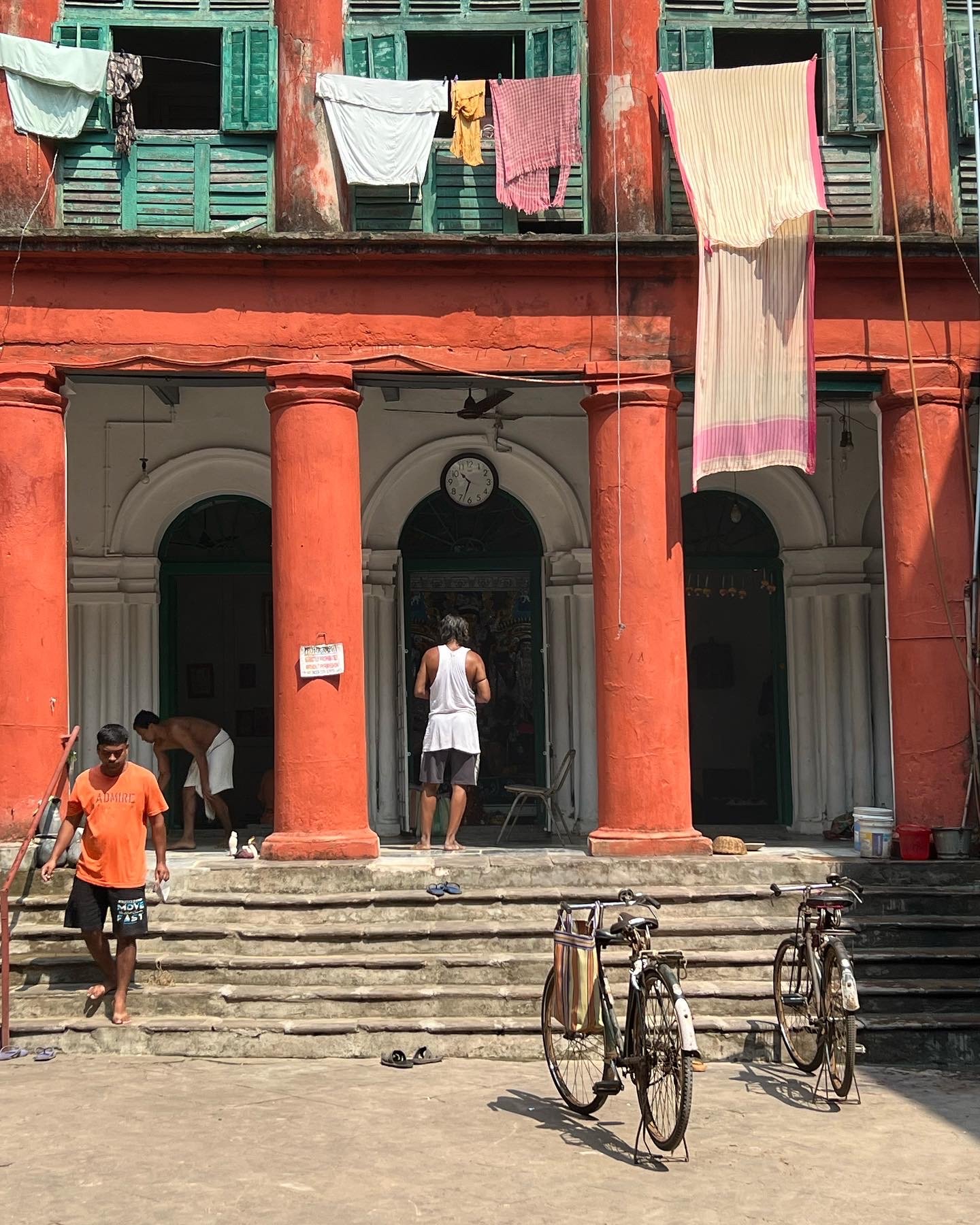
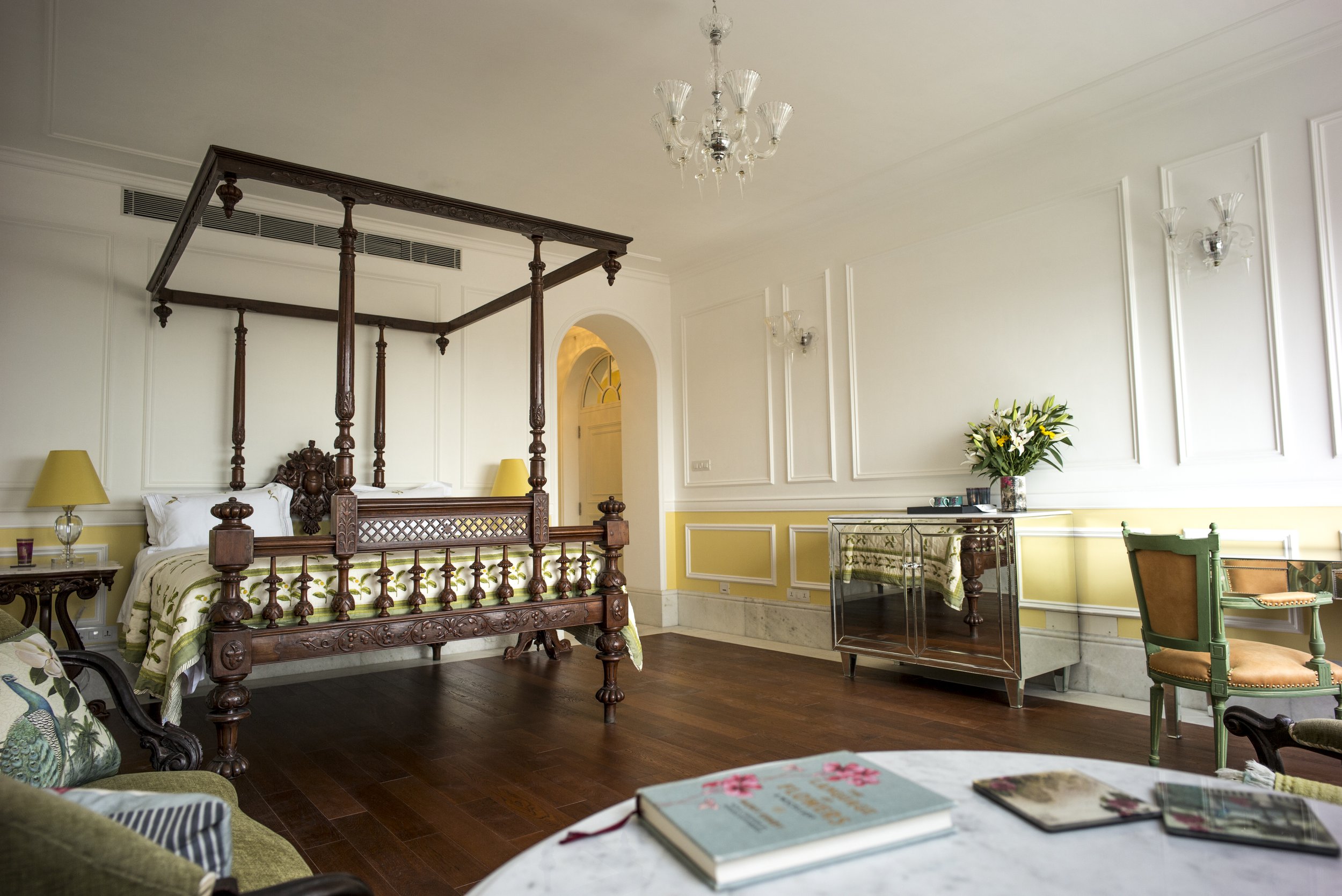
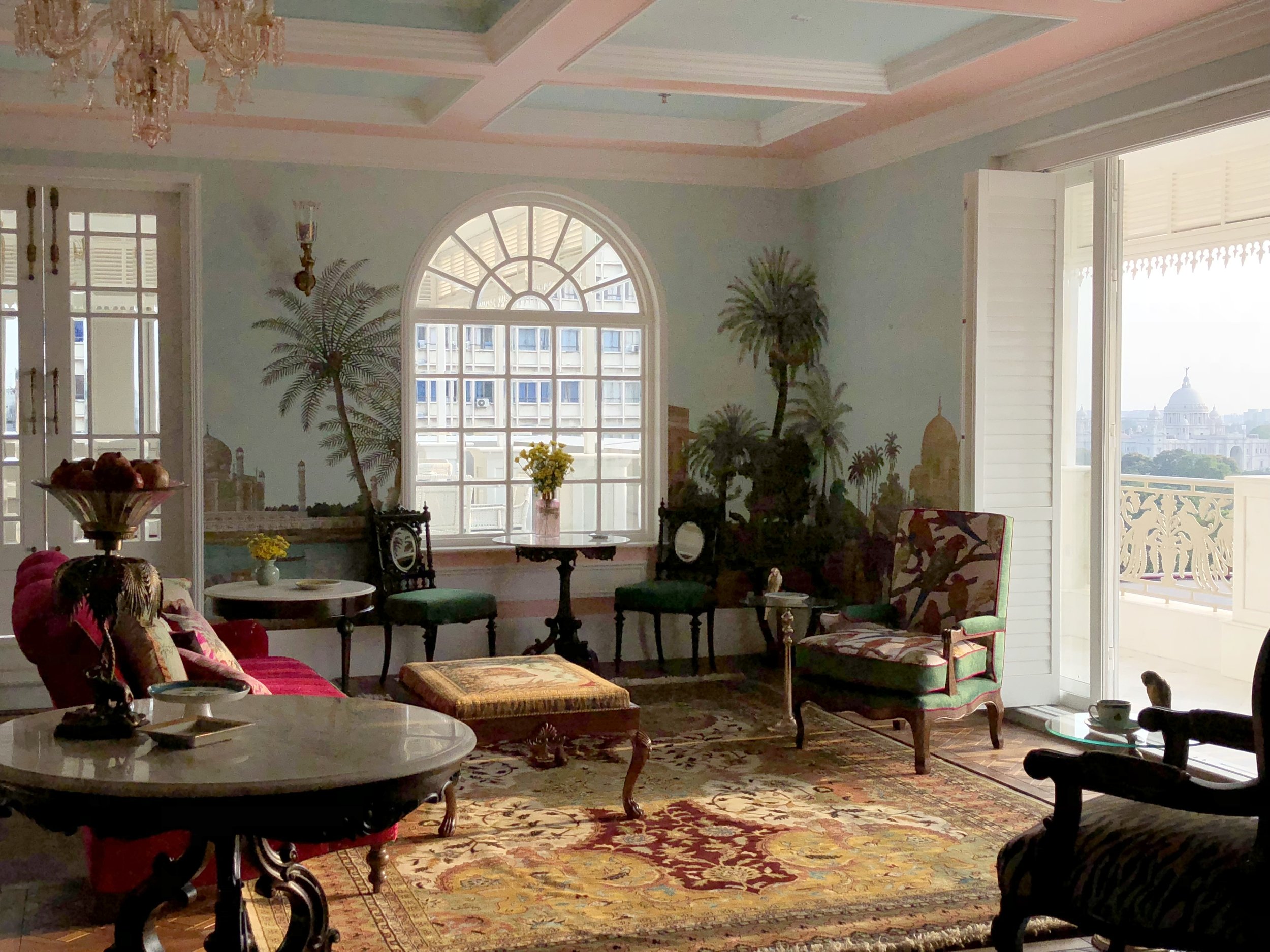
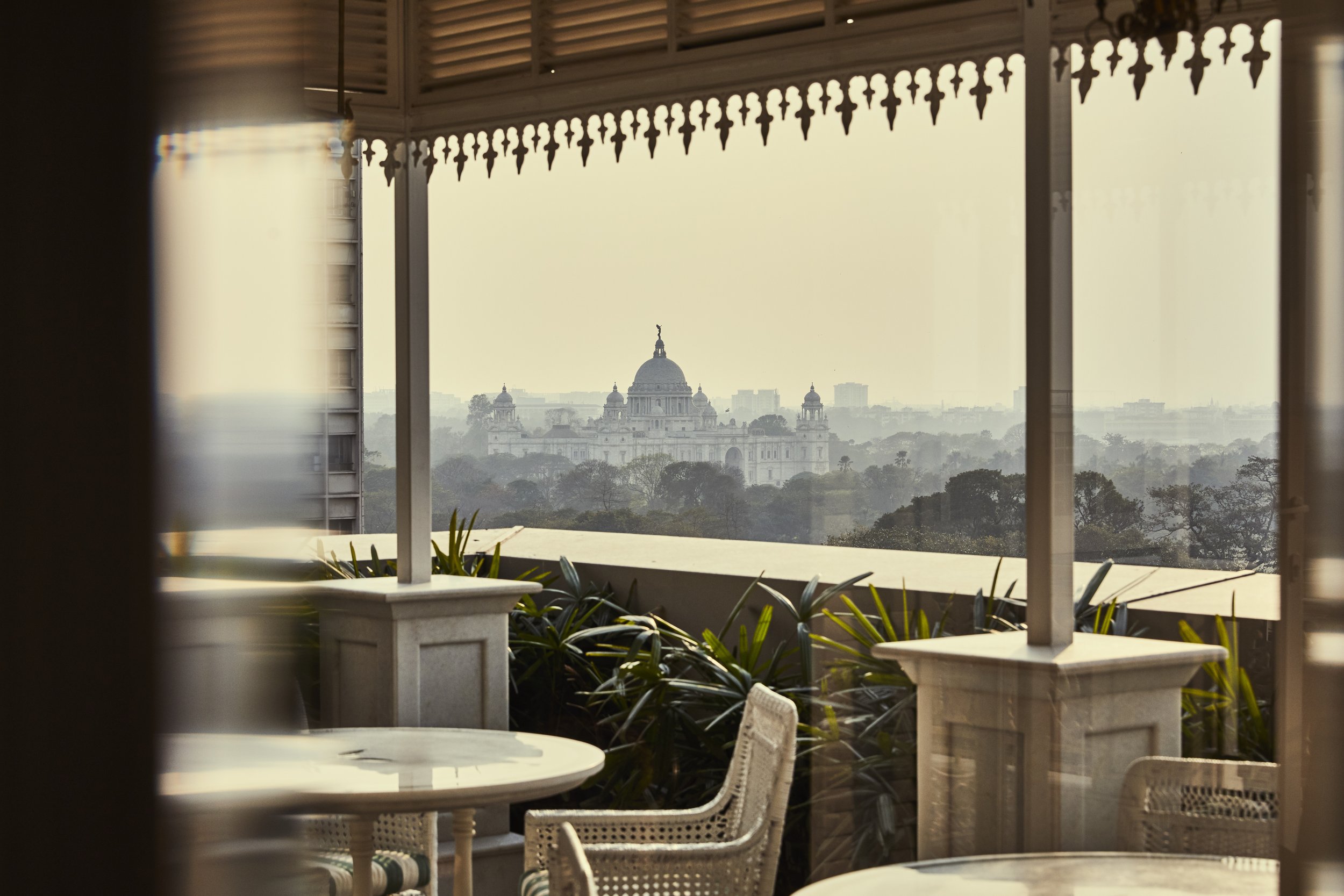
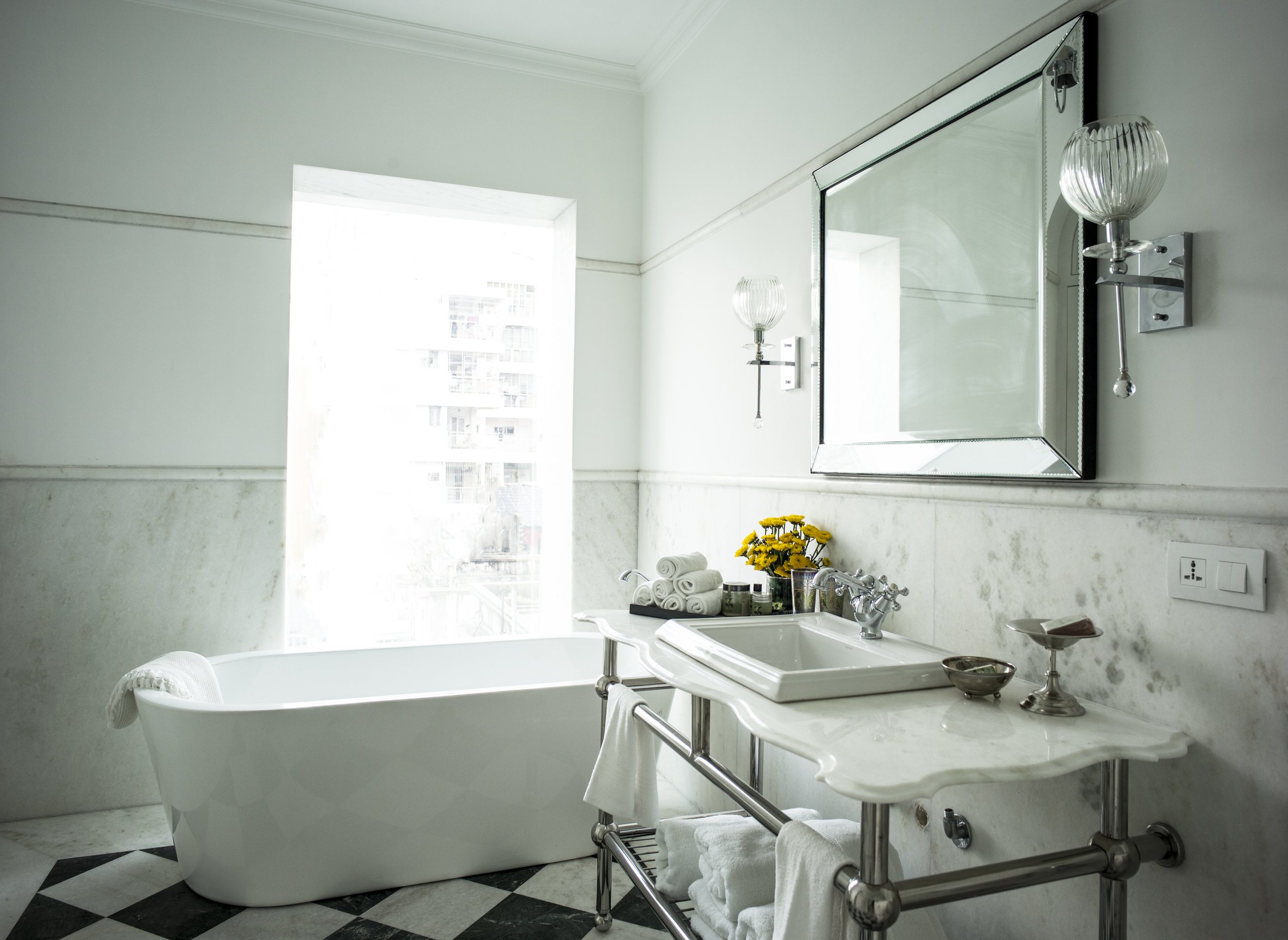
We have good accommodation options too; from super stylish Glenburn Penthouse, to the shabby but oh so charming Fairlawn on Sudder Street.
Odisha
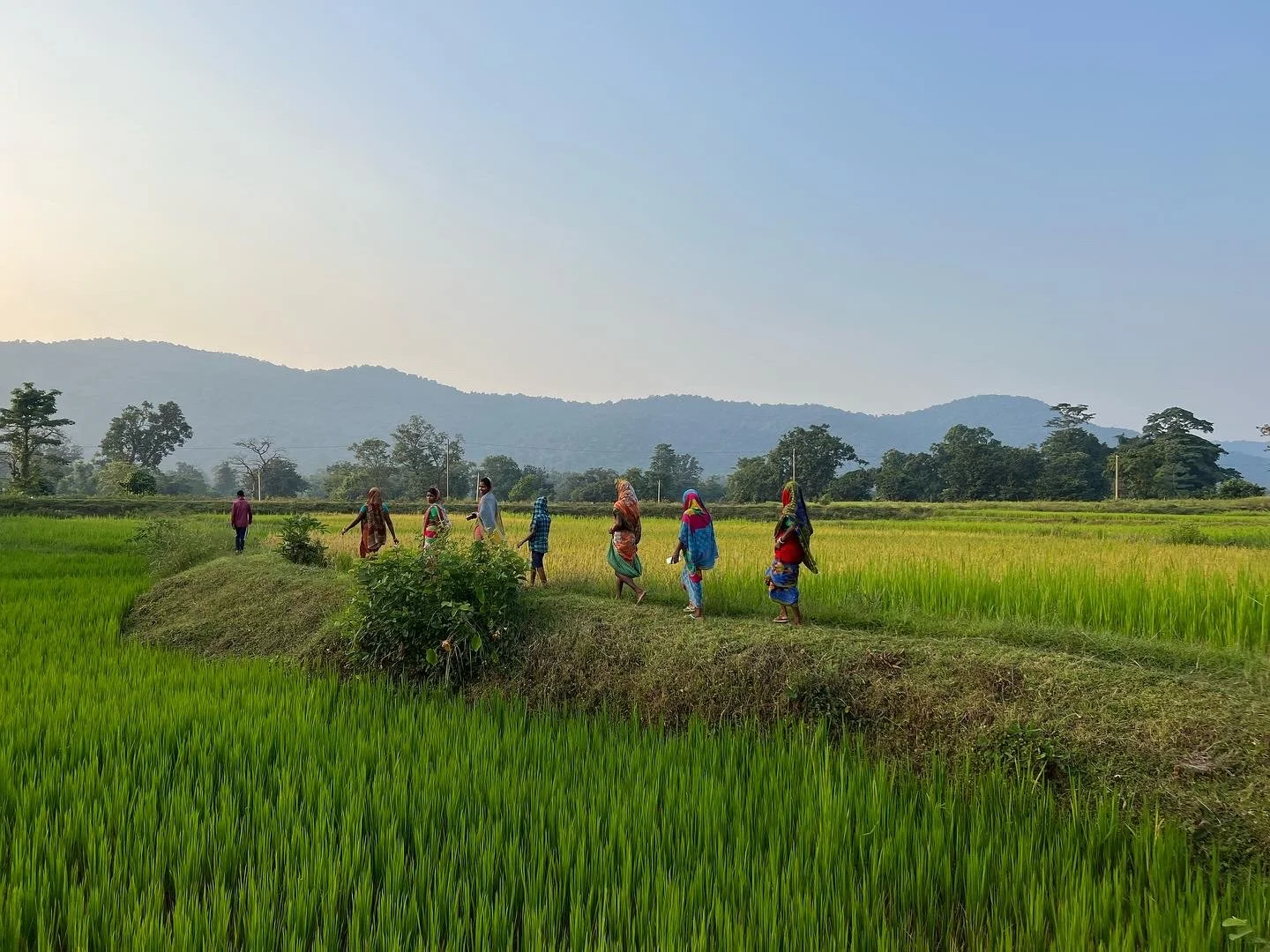
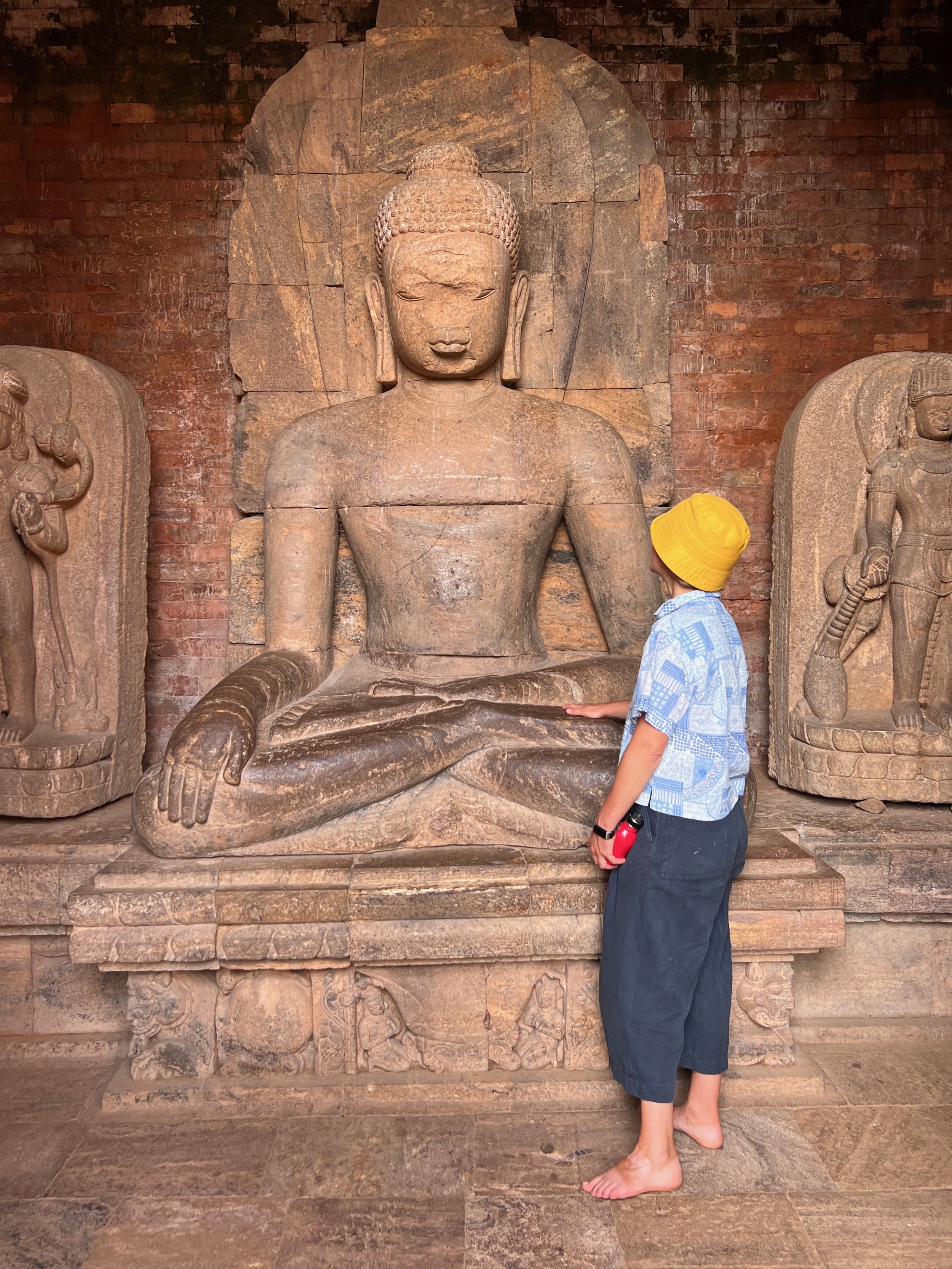
Heading south down the eastern edge of peninsula India you reach the green hills of Odisha and its mangrove forested coast. Buddhist and Hindu monuments, spectacular wetland birding, some fine crafts, delicious food and extremely warm welcomes. Odisha deserves far more tourist attention than it currently gets. There are good, daytime, train services from Kolkata; an overnight train to Jagdalpur, Bastar from Bhubaneshwar that links these two areas with strong tribal/indigenous culture; and plentiful flights in and out of Bhubaneshwar.
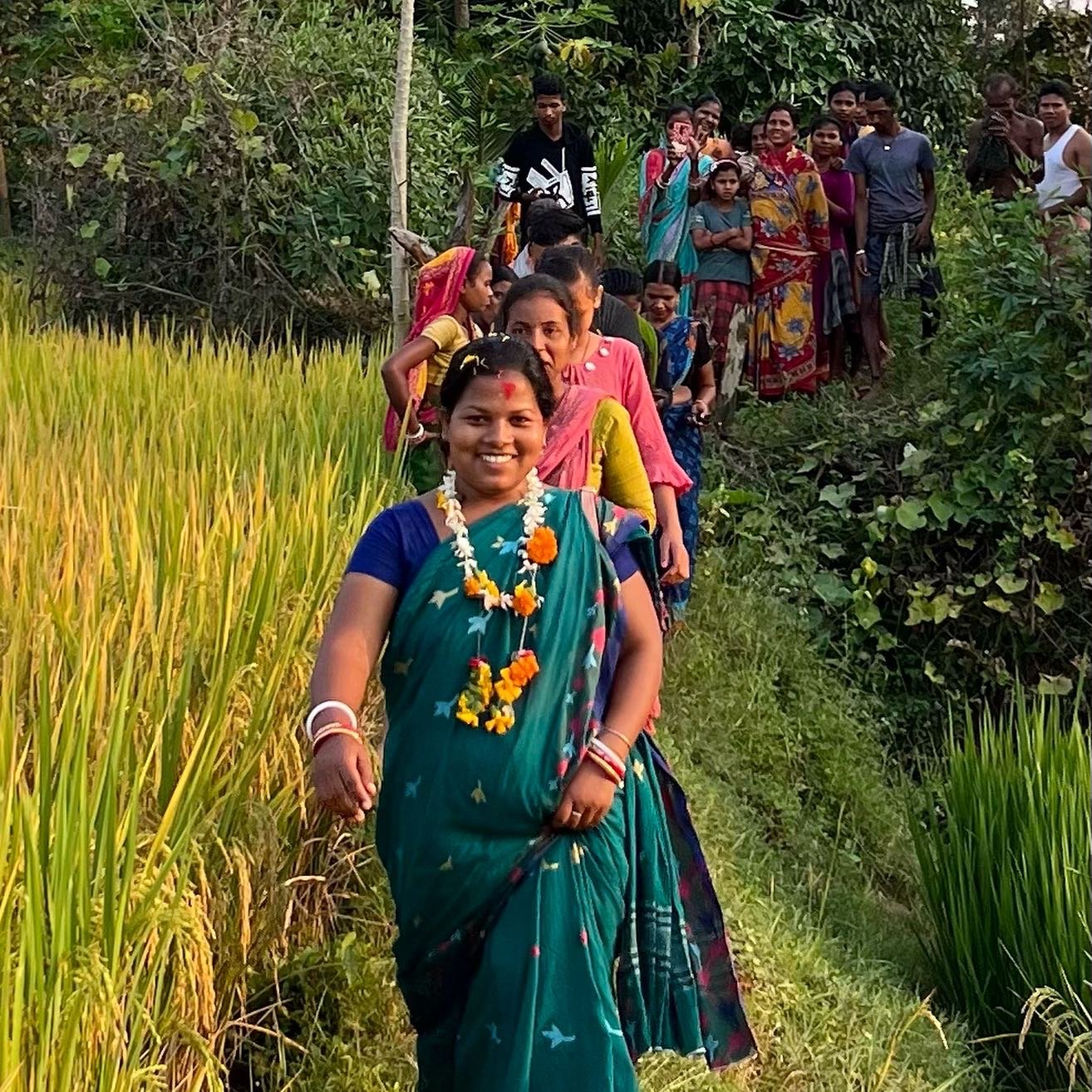
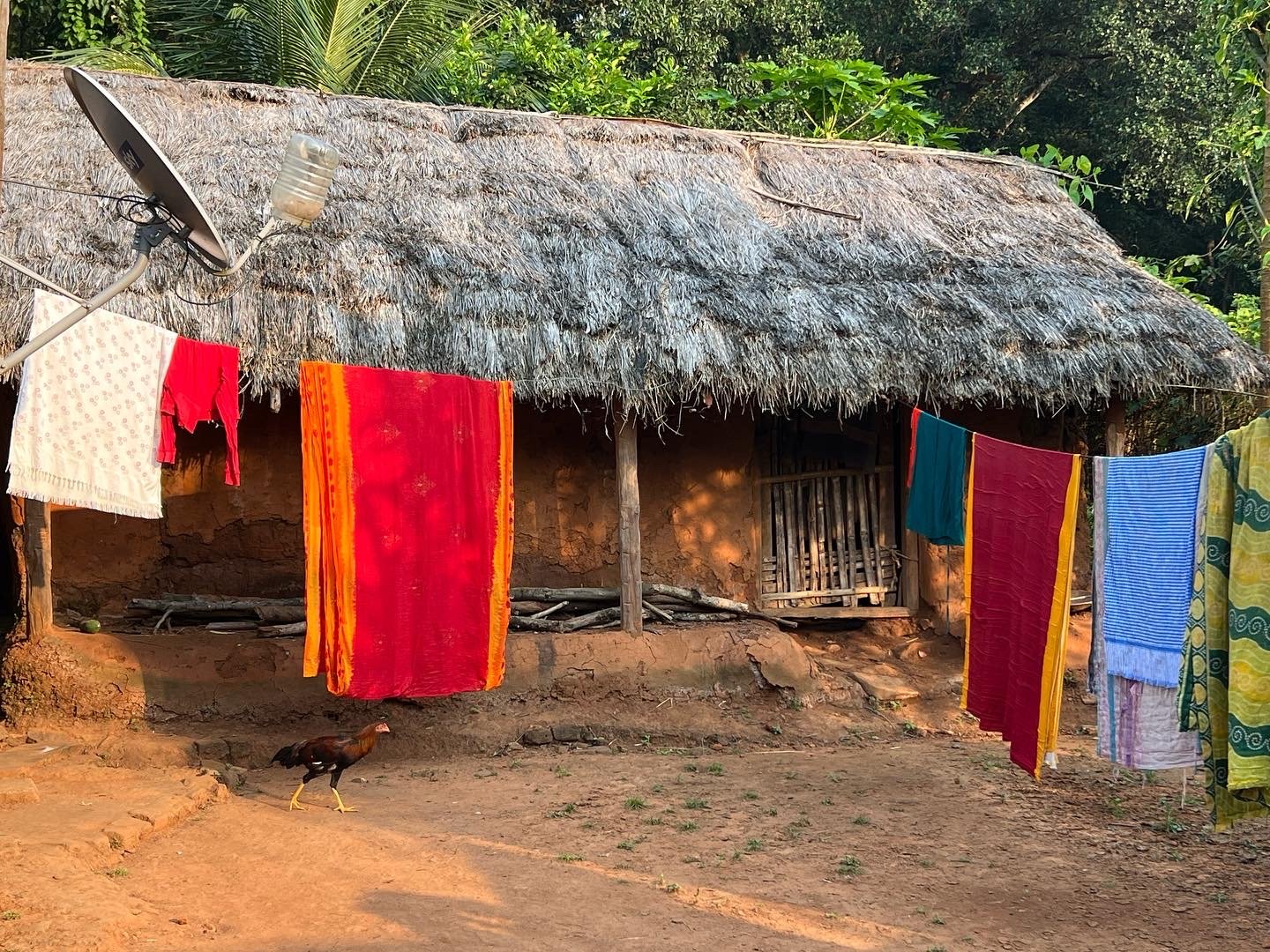
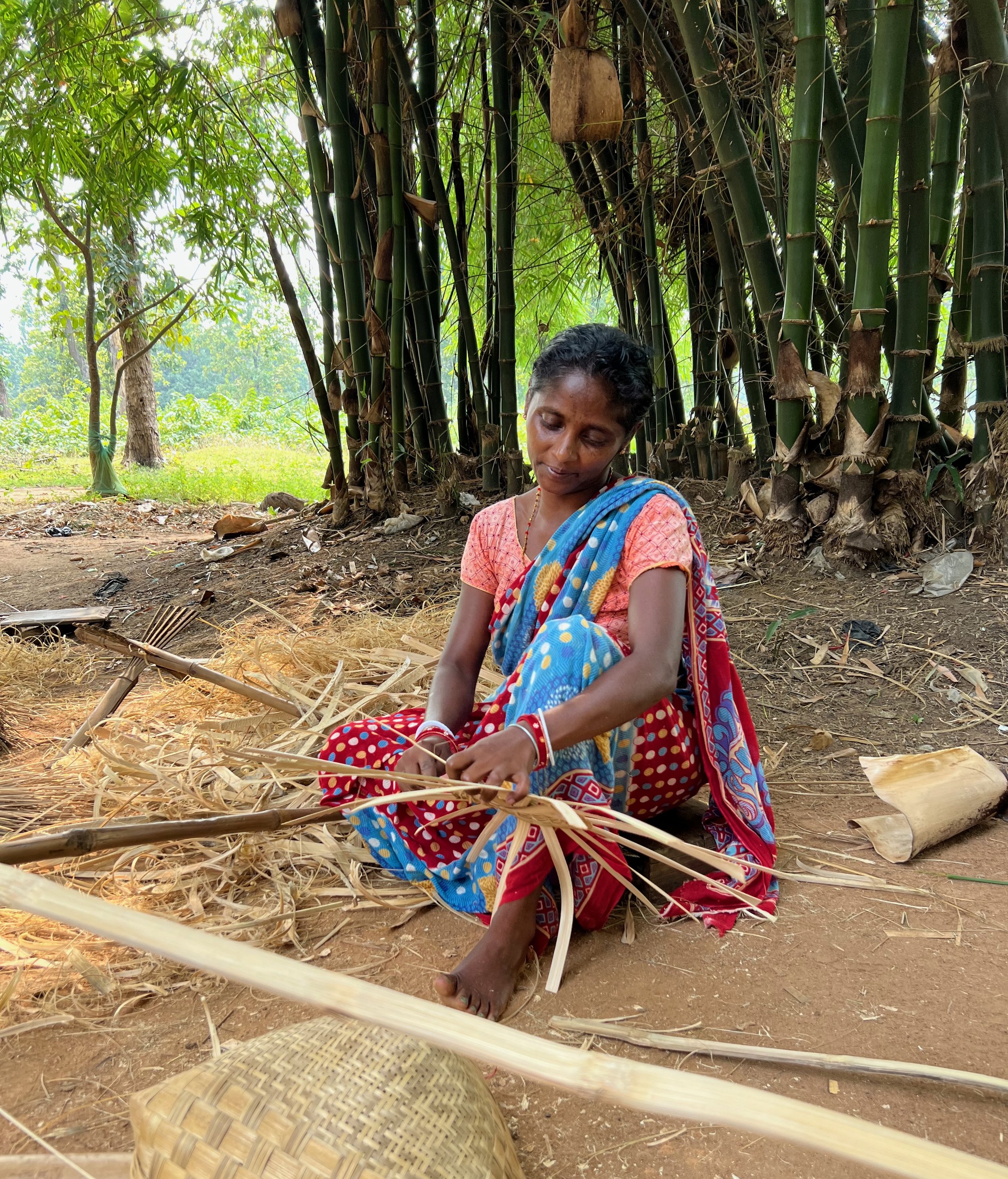
We always like to have a long stay core to our holidays and are delighted to have Kila Dalijoda near Cuttack for our Odisha itineraries. A pretty former hunting lodge restored by Debjit and Namrata; a huge task that they have accomplished with a light touch. There’s walking and cycling to be had in the countryside and villages around, and excellent birding on the nearby wetlands. The villages nearby are occupied by Sabar, Munda and Santhal communities. There’s a maritime museum in nearby Cuttack and crafts including ikkat weaving and dhokra (lost wax metal work).
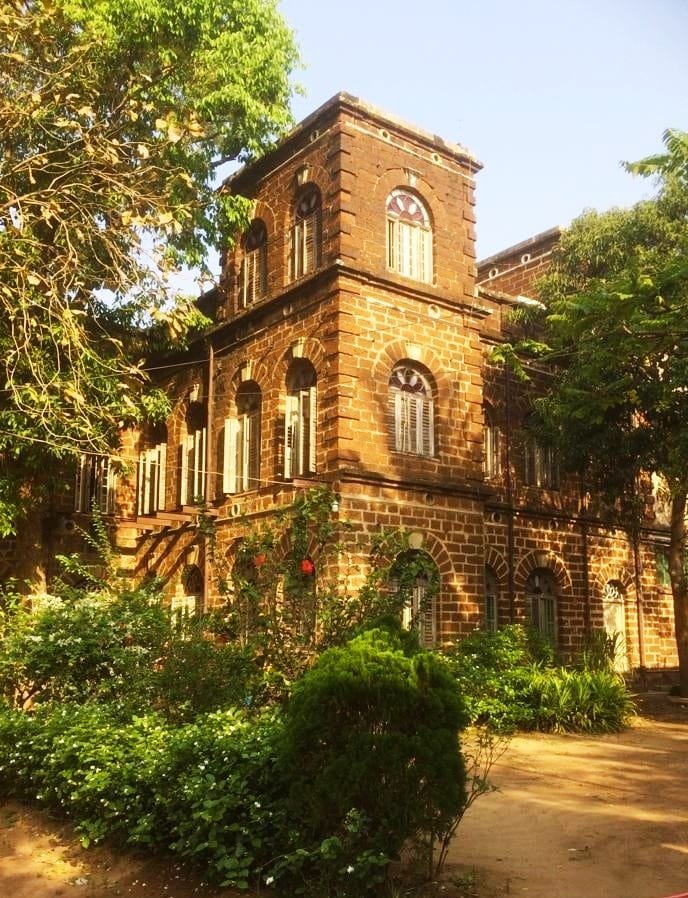
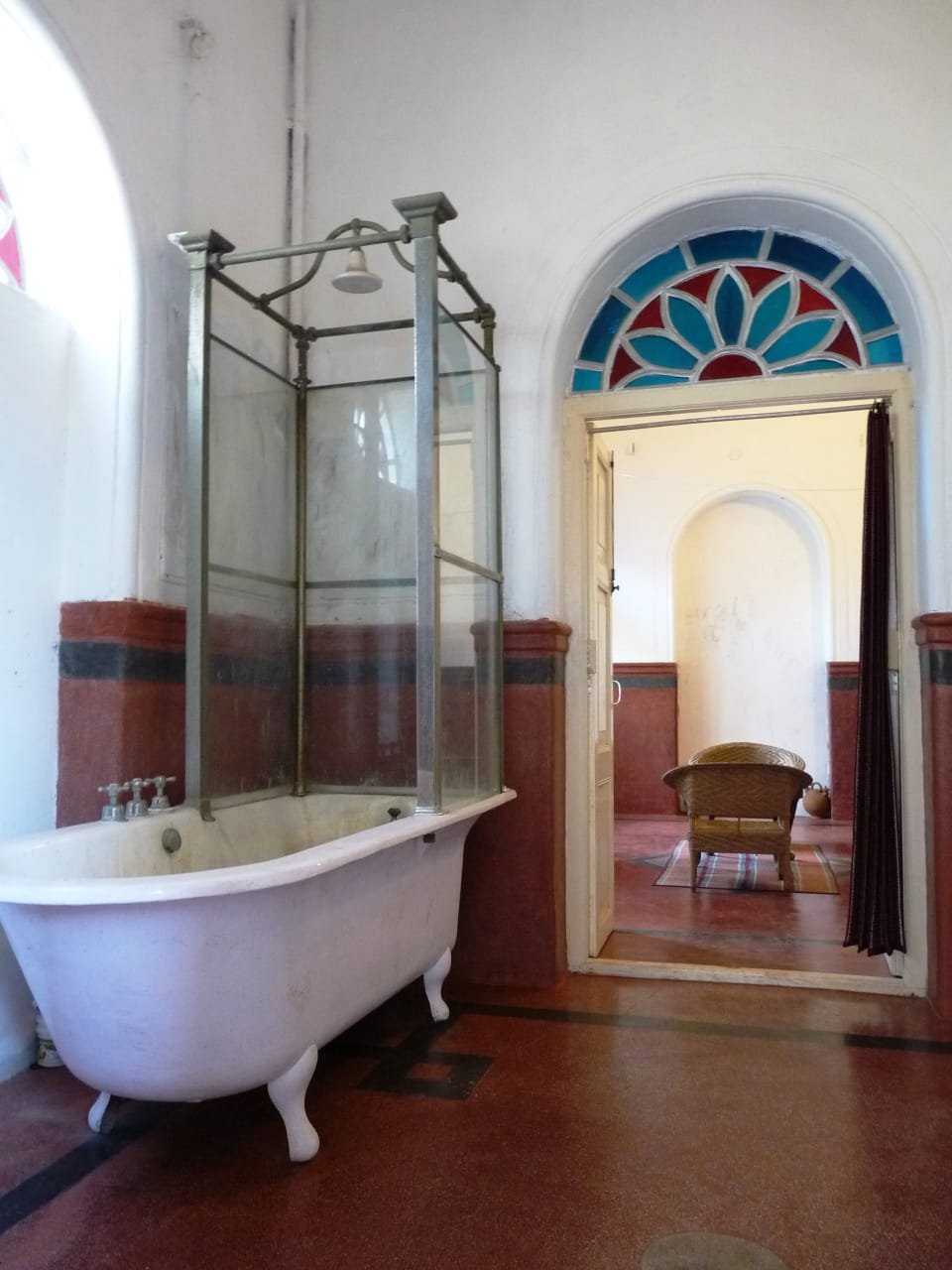
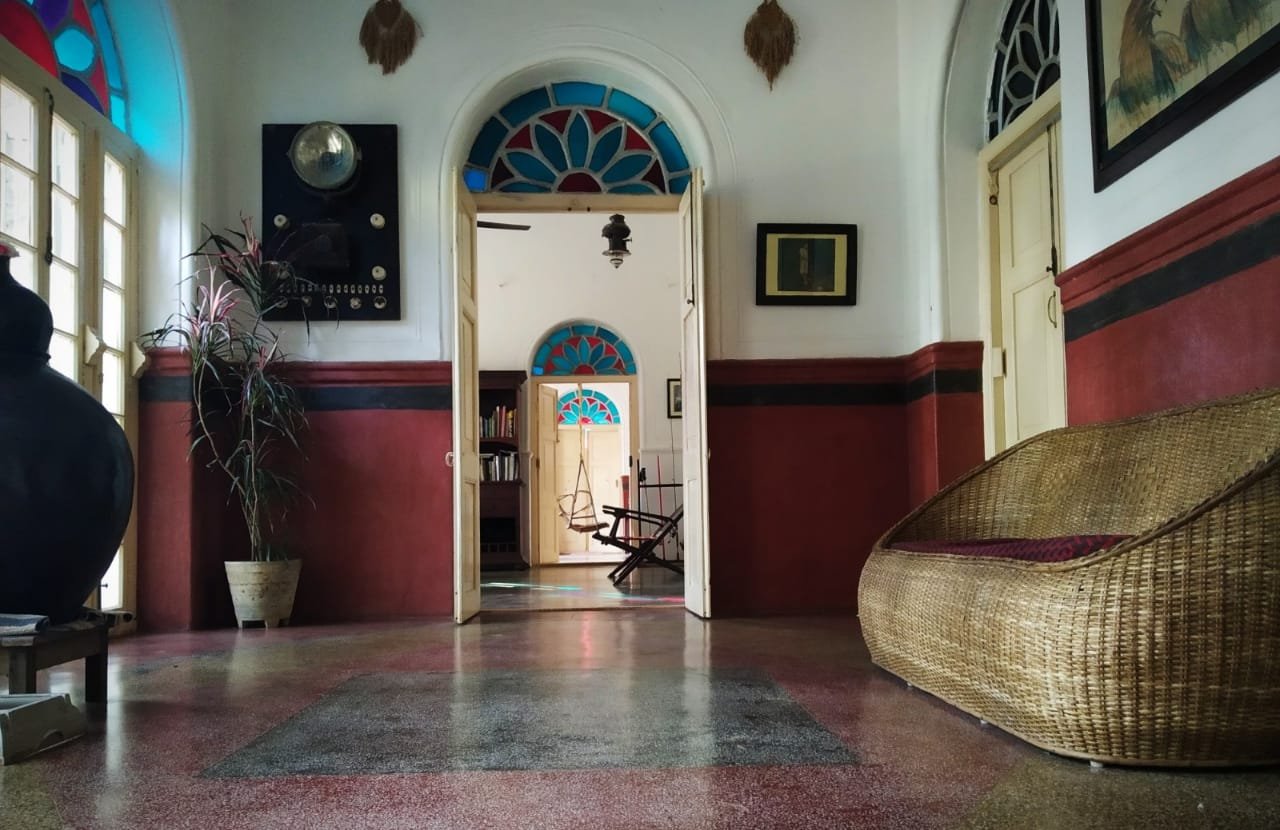
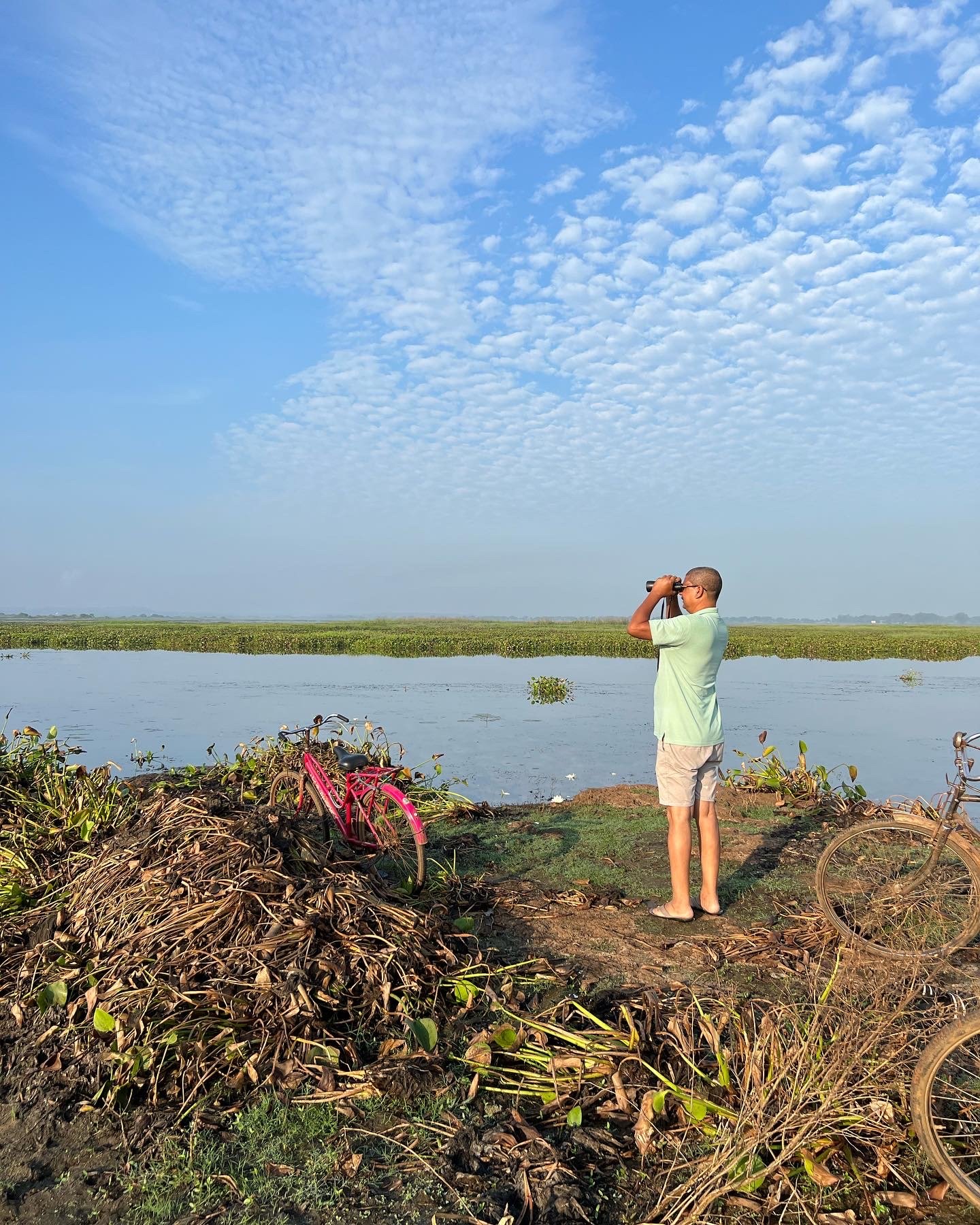
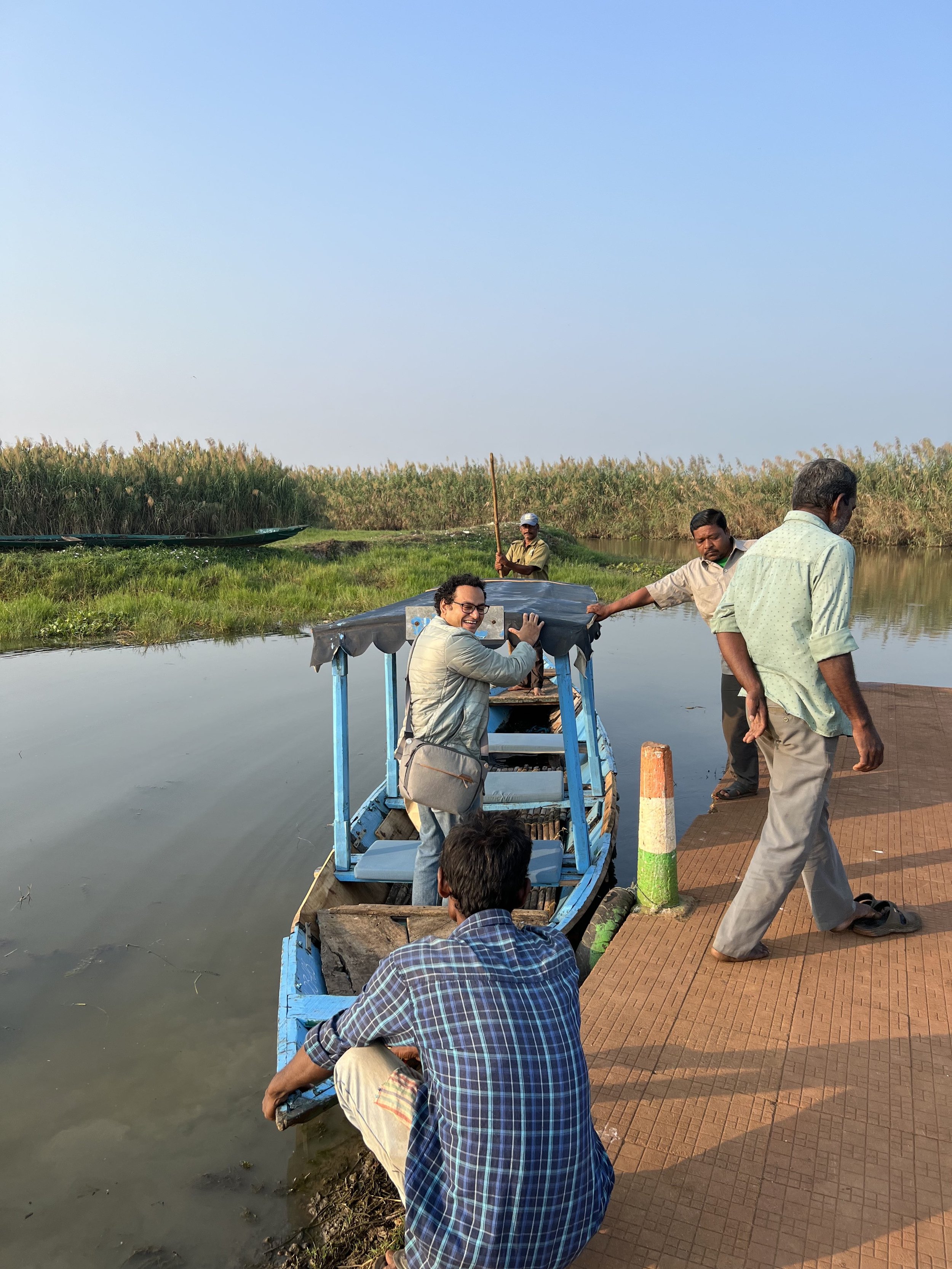
Svanir, close to Bhubaneshwar, but with a rural feel, is run by Indrani and Soumya Mukherji. its six individual cottages are in a garden plot a kilometre from a lovely village from whom Indrani’s team of female staff are recruited. A walk through the village is a must. Soumya and Indrani are doing great work supporting Odiyan crafts including wonderful local mask makers. Svanir works well as a base before visiting Mangaljodi, a wetland extension to the busier Lake Chilika that, thanks to the marvellous work of Indian Grameen Services, has gone from a bird-hunting site to a beautiful gentle tourism location. The birding is exceptional and even for non-birders the morning on the water is a special thing.
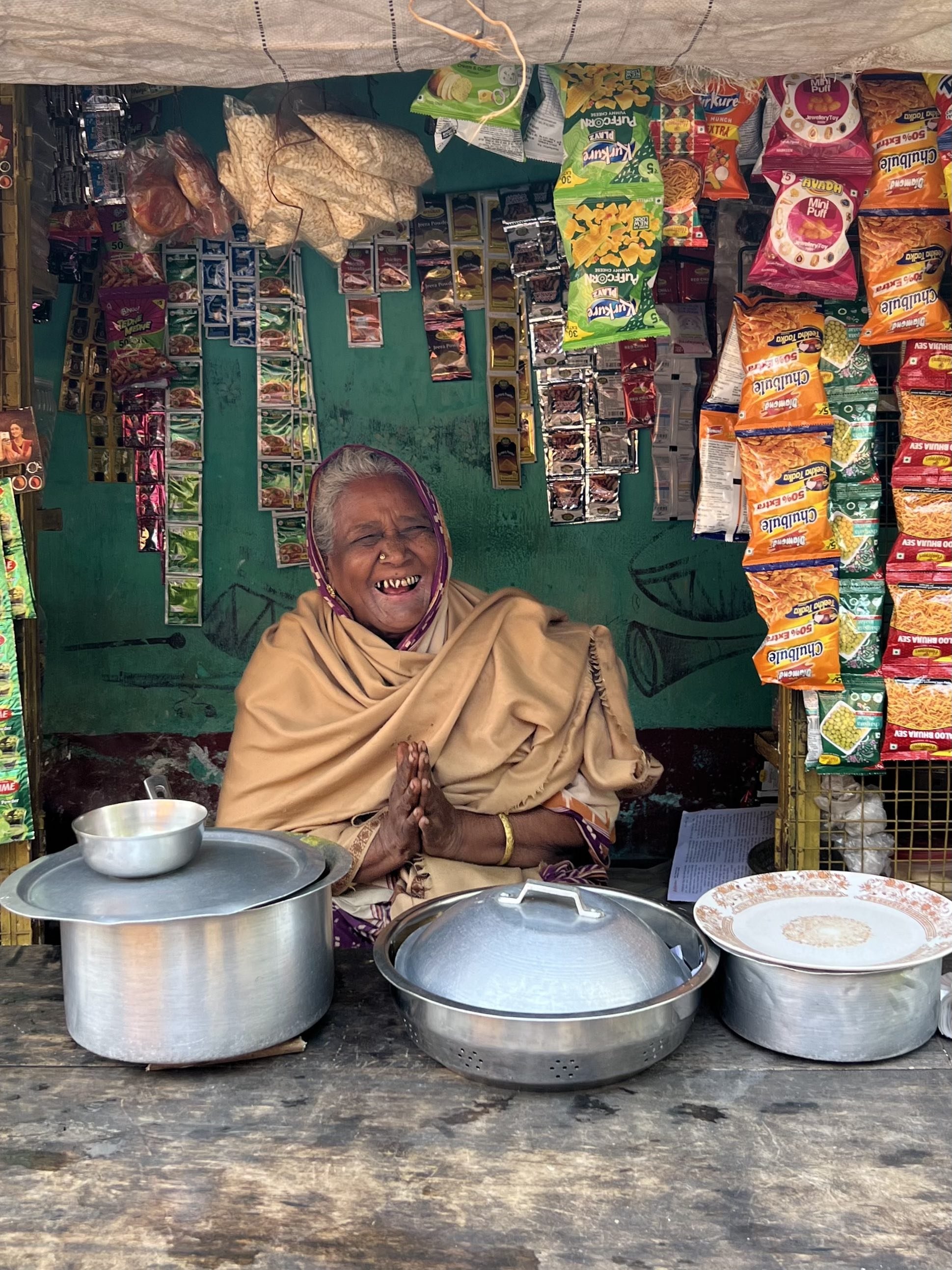
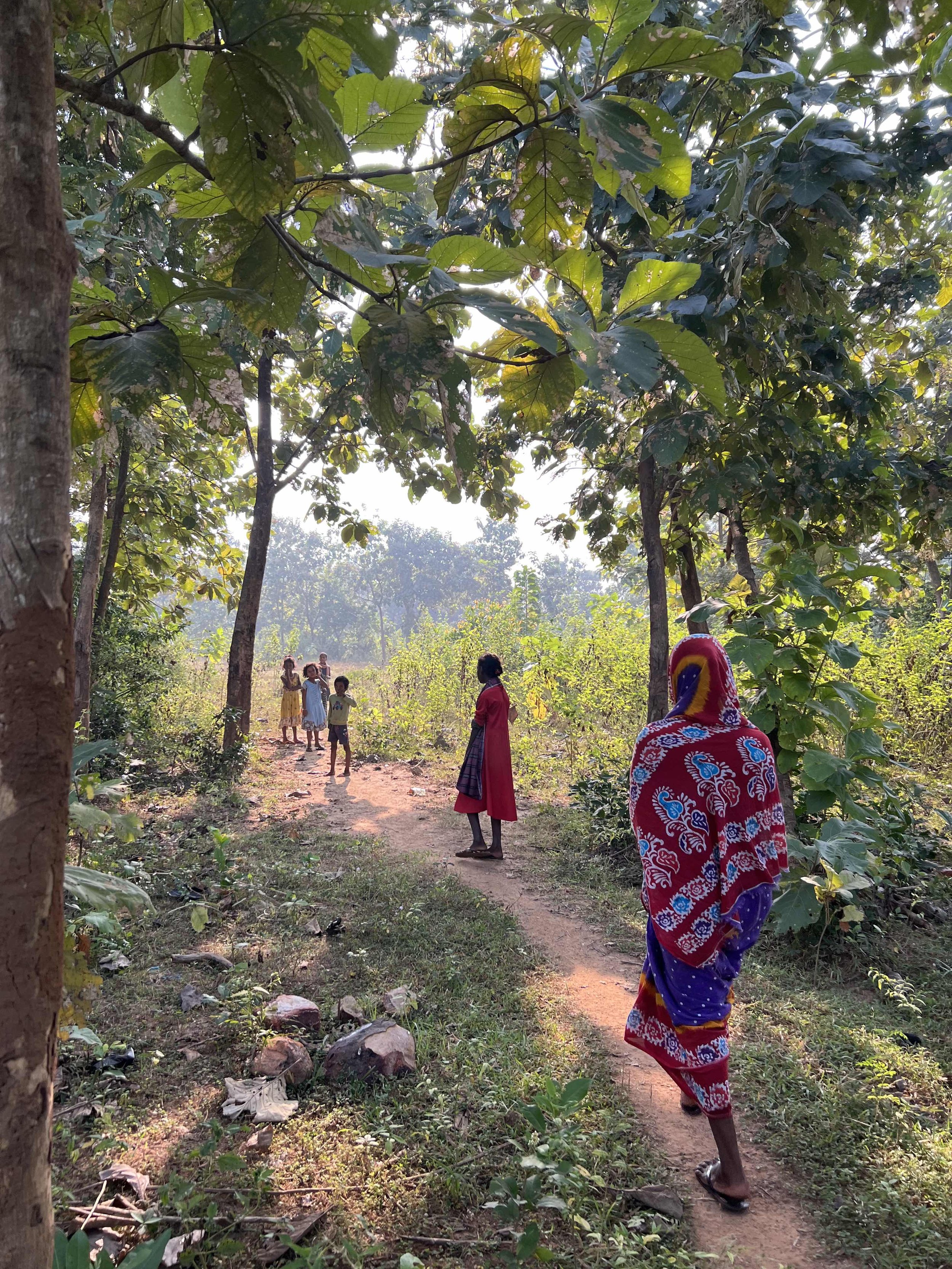
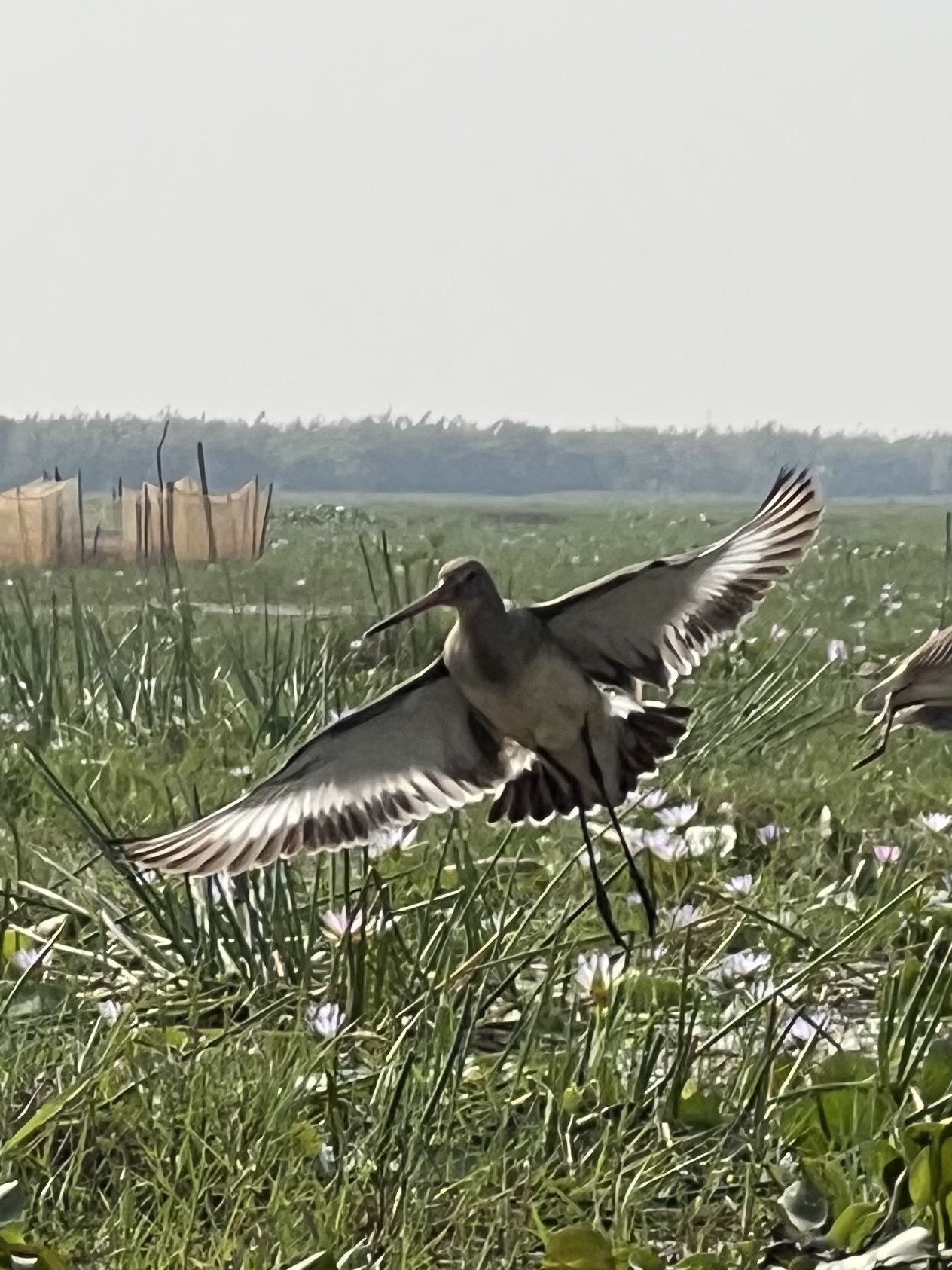
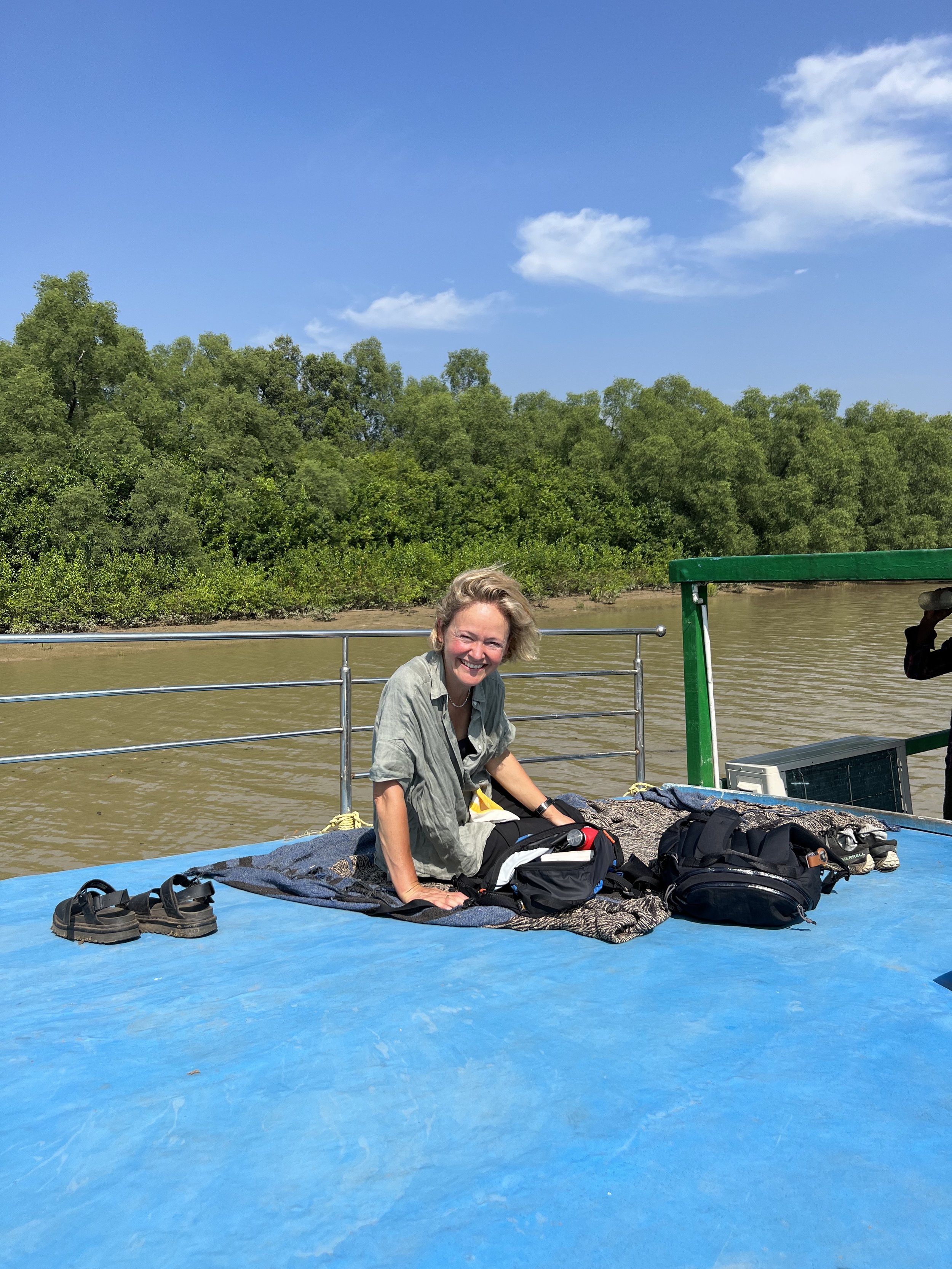
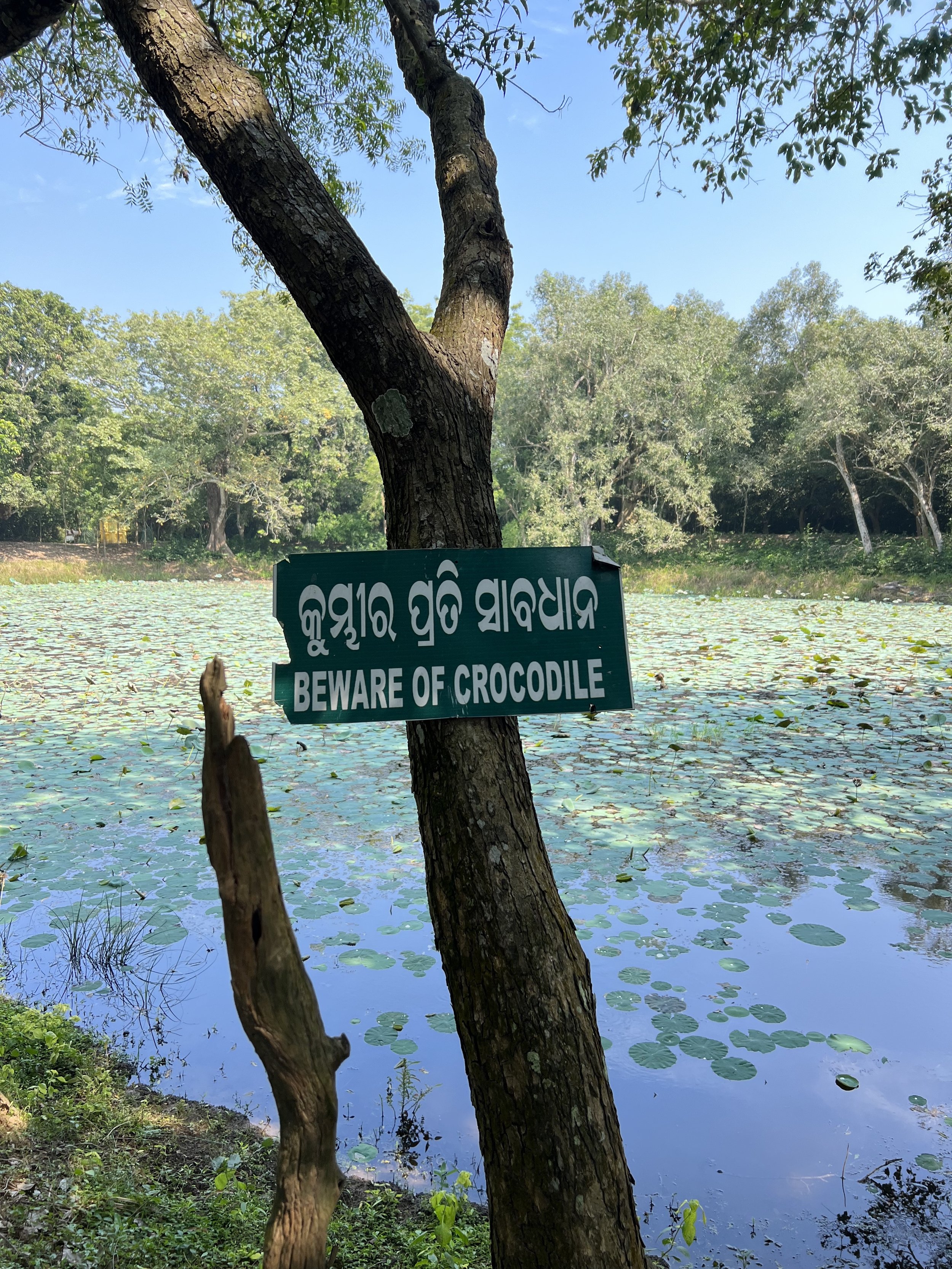
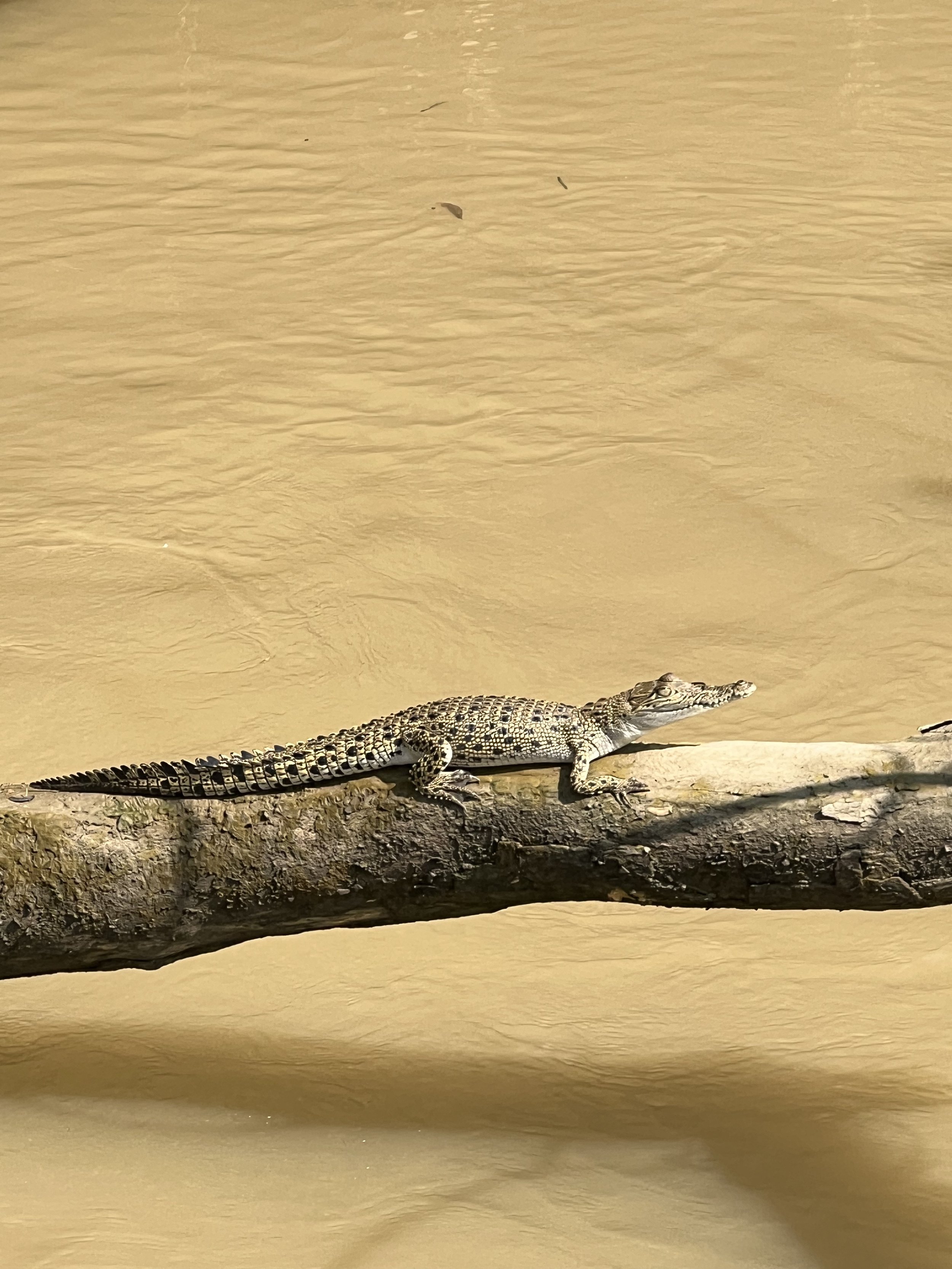
Moving up the coast from Bhubaneshwar you come to Bhittarkanika; a bit like the Sundarbans but without the crowds (or, it must be acknowledged, the tigers). Six species of kingfisher as well as plenty of saltwater mugger crocodiles and the chance to get off the boat to walk on a pretty island with the fabulously peaceful remains of a medieval temple in the middle. We stay at nearby Killa Aul, a palace on the banks of tributary of the Brahmani River. An unstuffy but regal welcome from Braj and Himantikadevi awaits, as does a feast of traditional Odiya food.
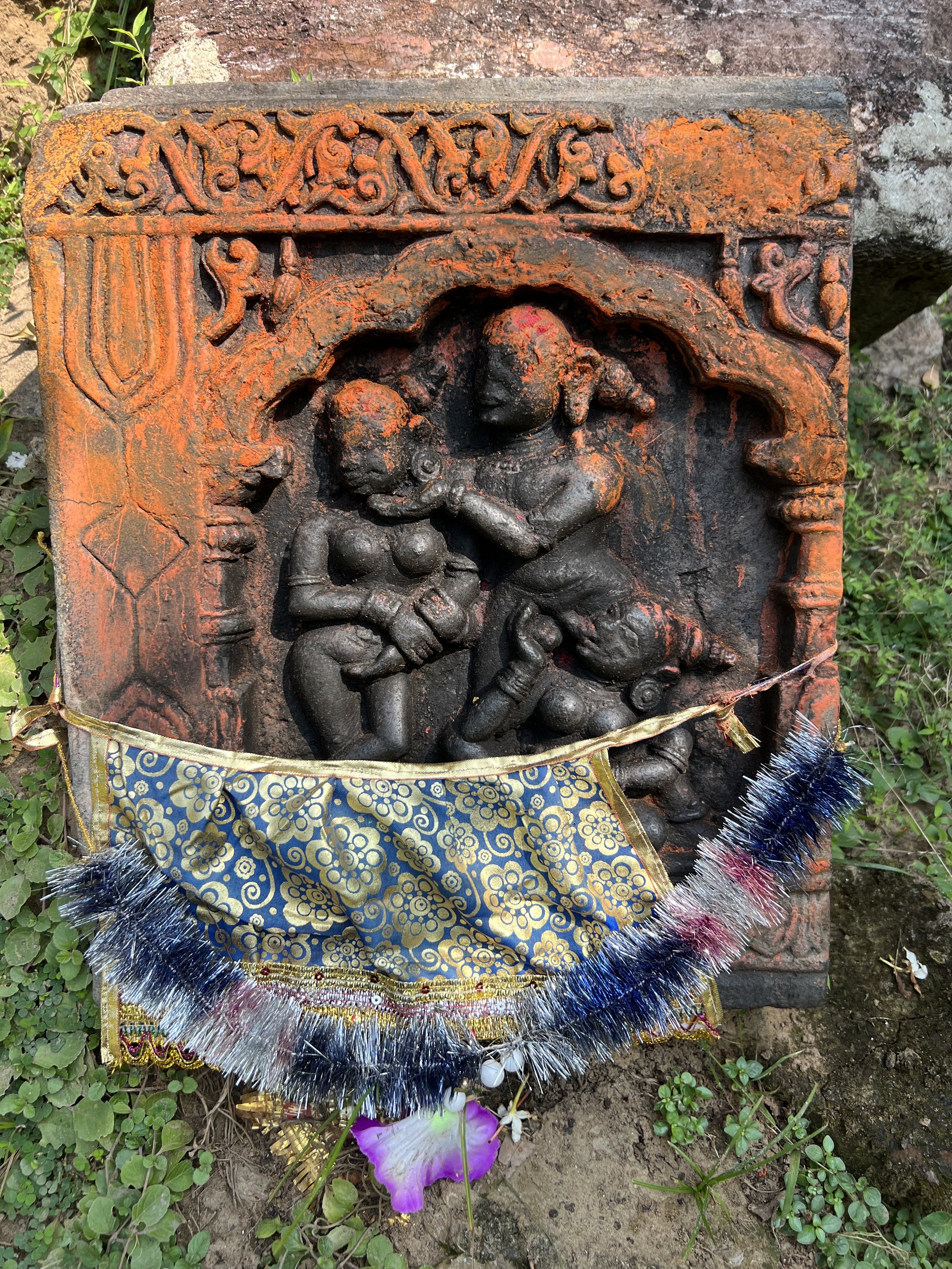
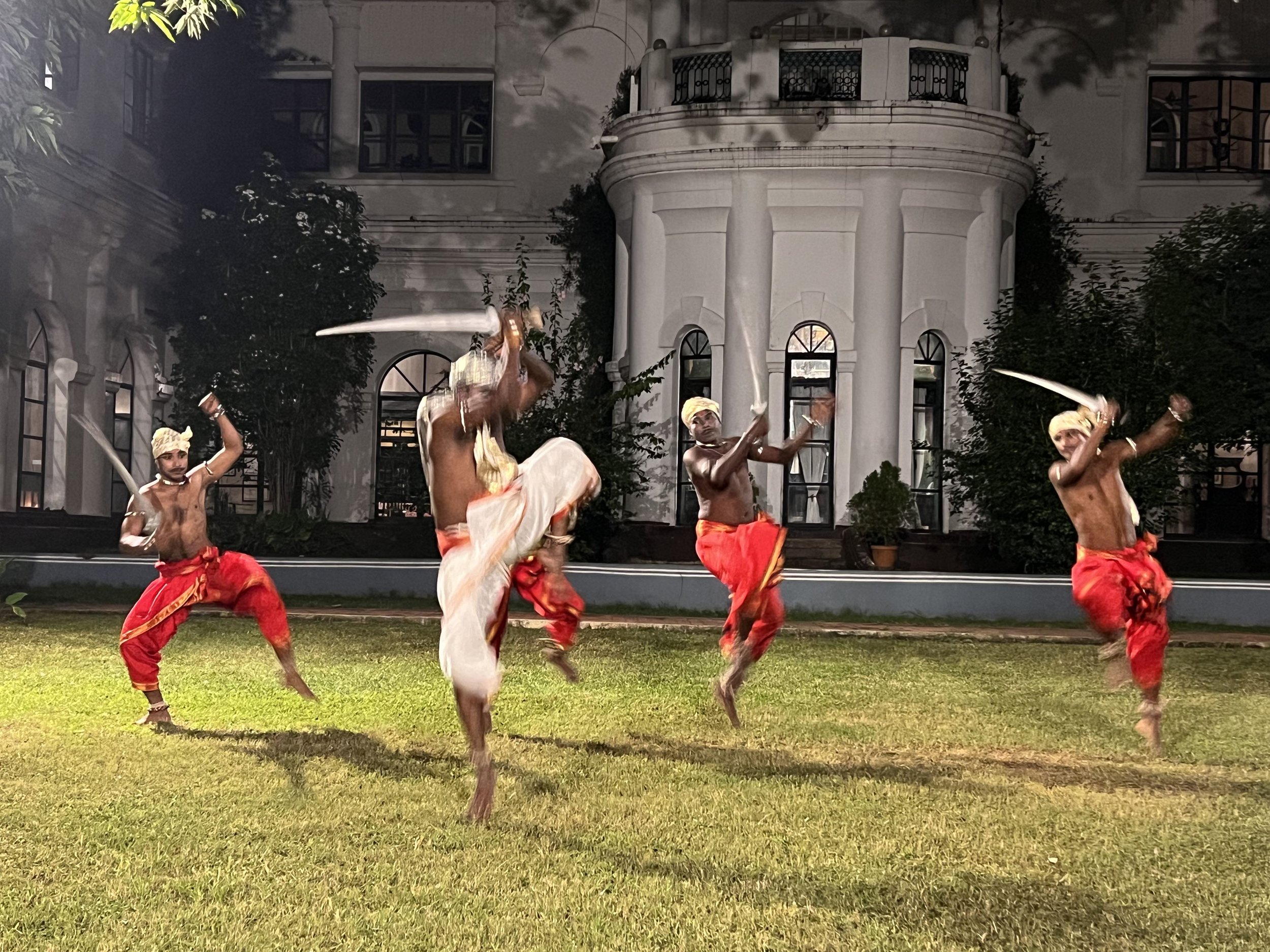
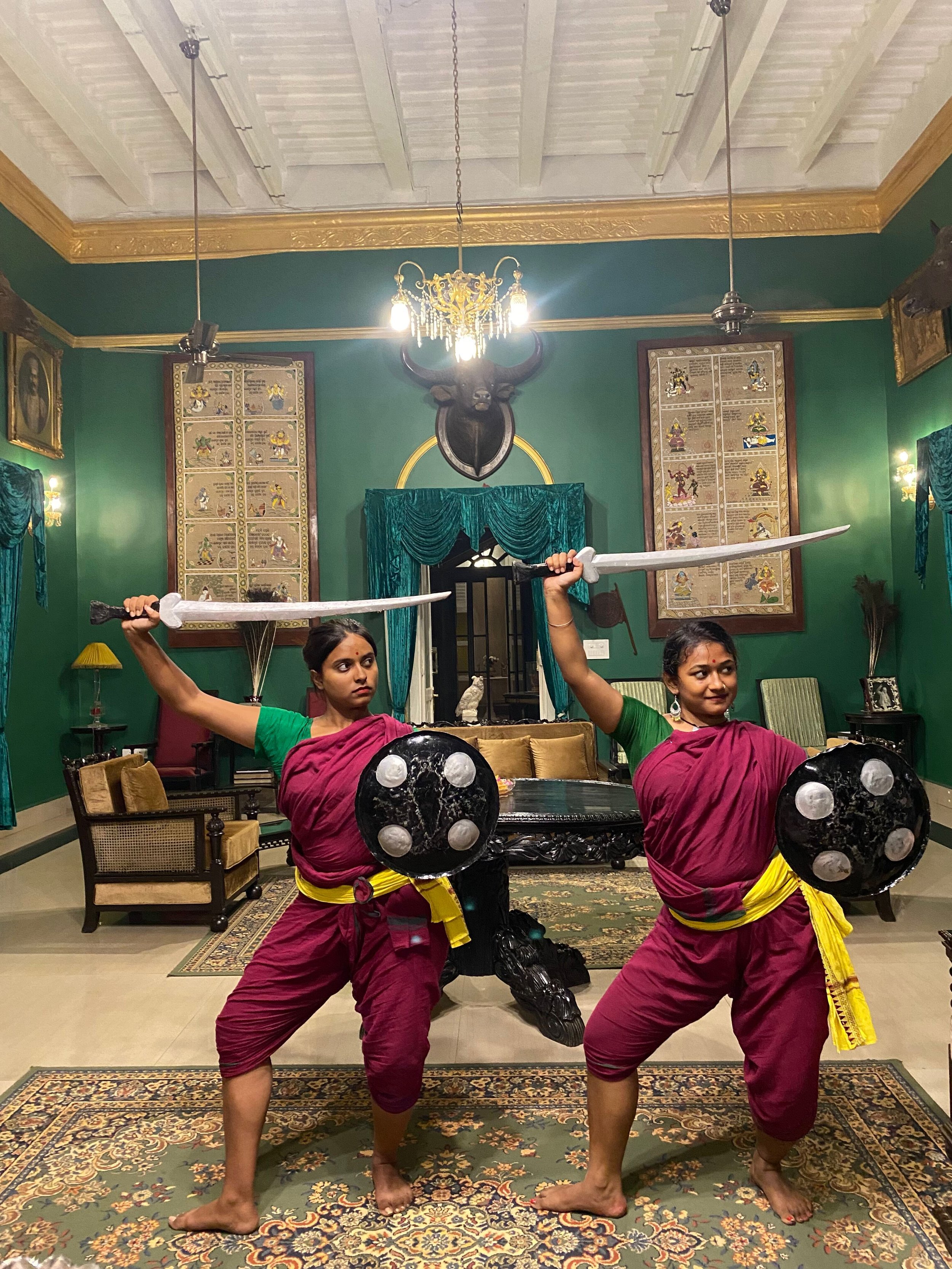
Two slices of luxury top and tail our Odisha itineraries, in the north is the tastefully restored Belgadia Palace where sisters Mrinalika and Akshita provide not just a warm welcome for guests but for hosts of local artisans too. The extraordinary Chau, a type of martial dance used to keep the palace army fit during peace time is one of those rare instances in which a dance is performed before hotel guests in the place from which it originated. Visits to a local grass weaving cooperative and to nearby Simlipal tiger reserve are on the menu as well as meeting the local women’s rugby team - a project supported by the Rani.
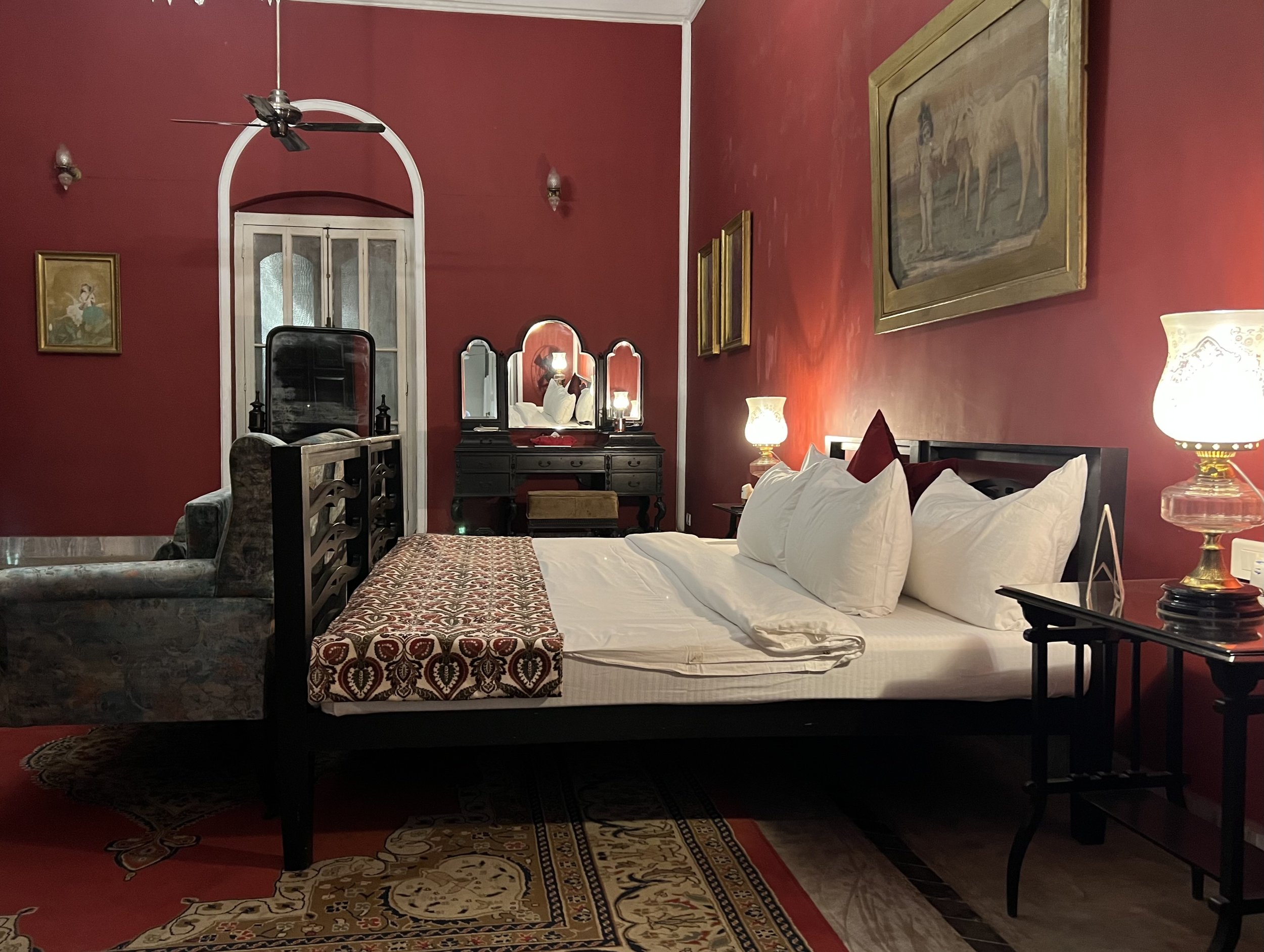
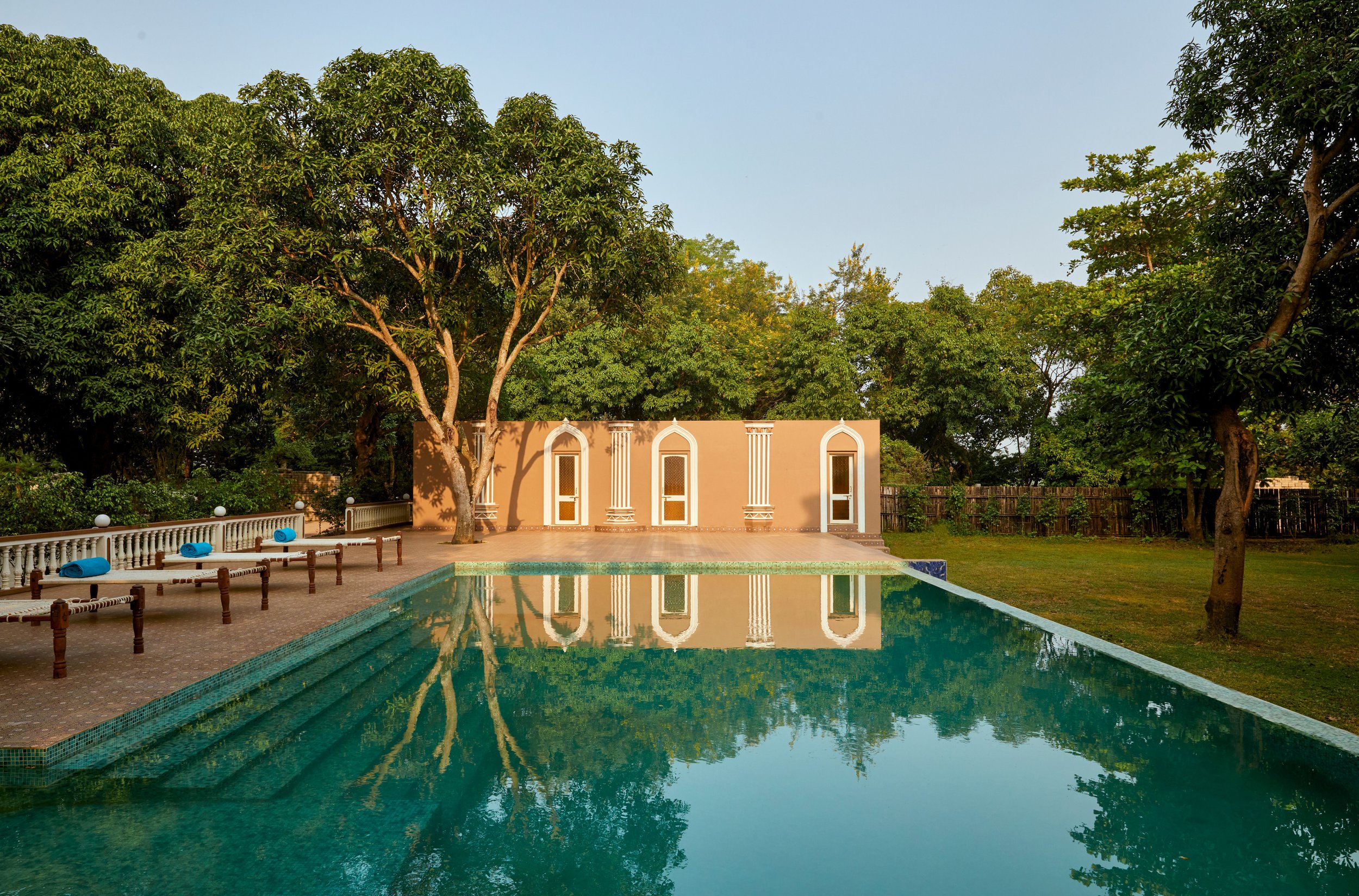
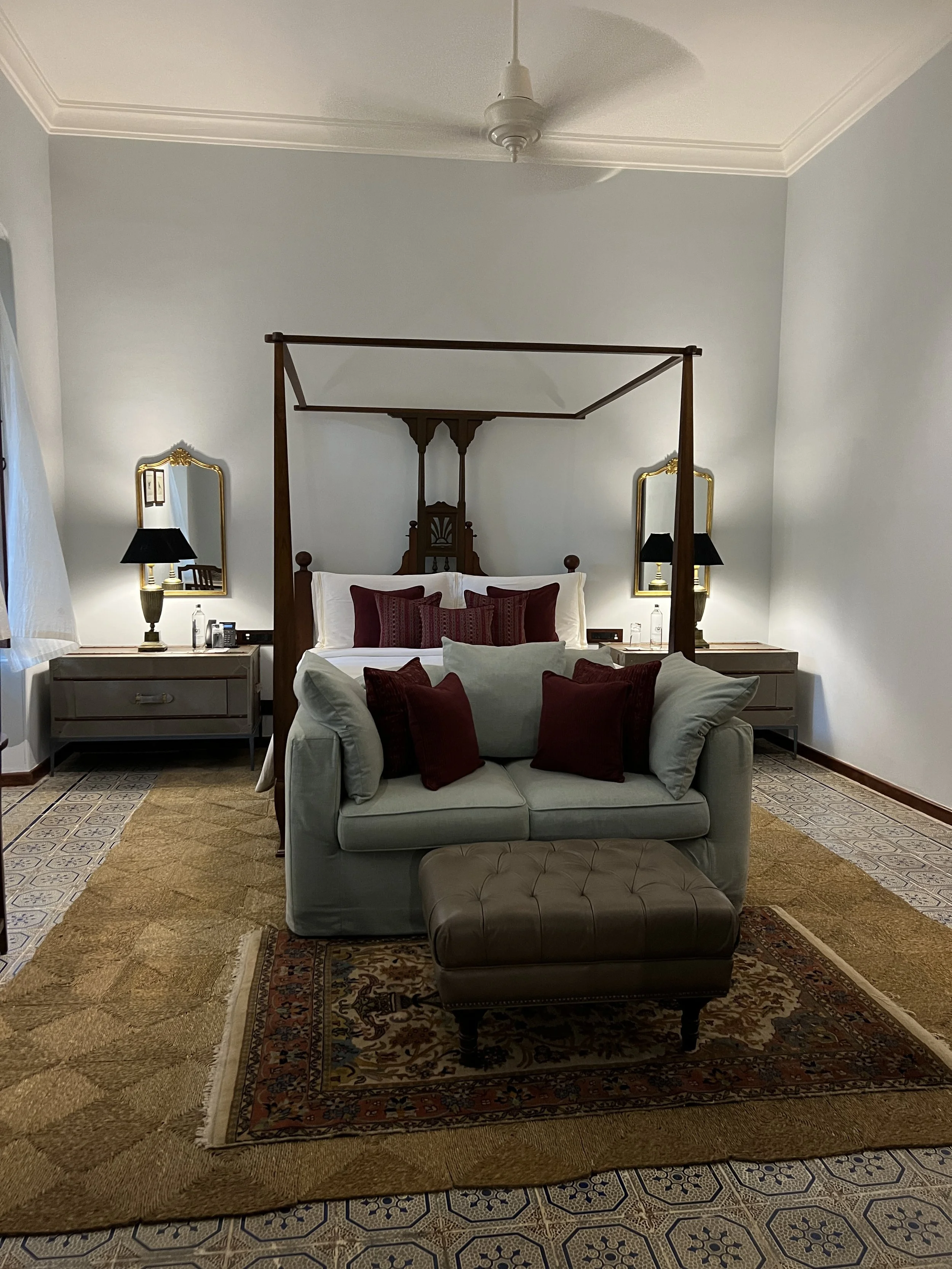
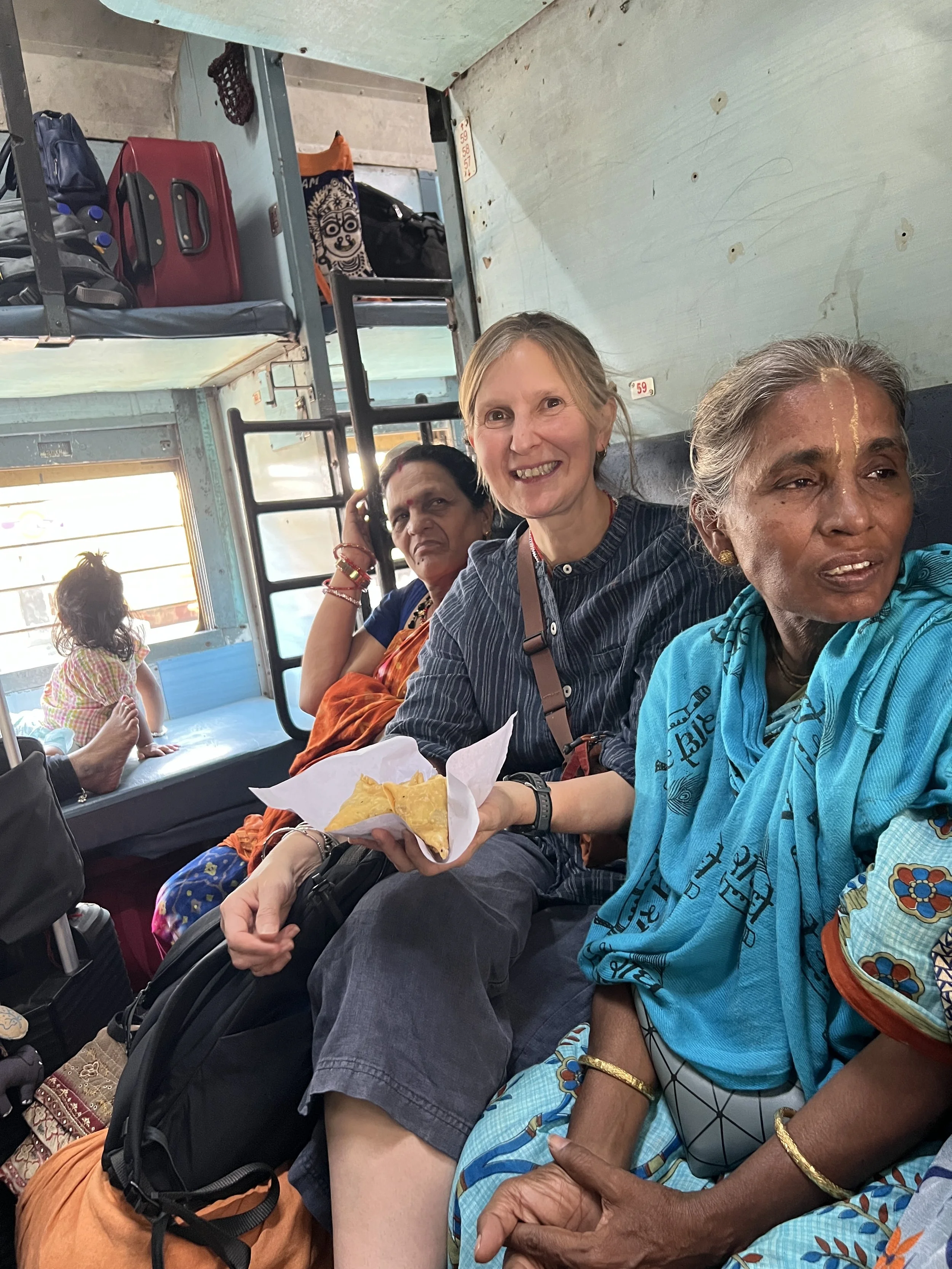
And in the south, near Lake Chilika is the newly restored (from almost total ruin) Rambha Palace. Come on the train, in bustly sleeper class, a pretty two hour ride from Bhubaneswar, met on the platform by one of the smartly uniformed team from the palace. Sublime to ridiculous, or vice versa, fun either way.
This is the most hotel-y of our Odisha offerings, but warm and kind, and with nice treats like a pool and an amazing spa (dreamy massages).
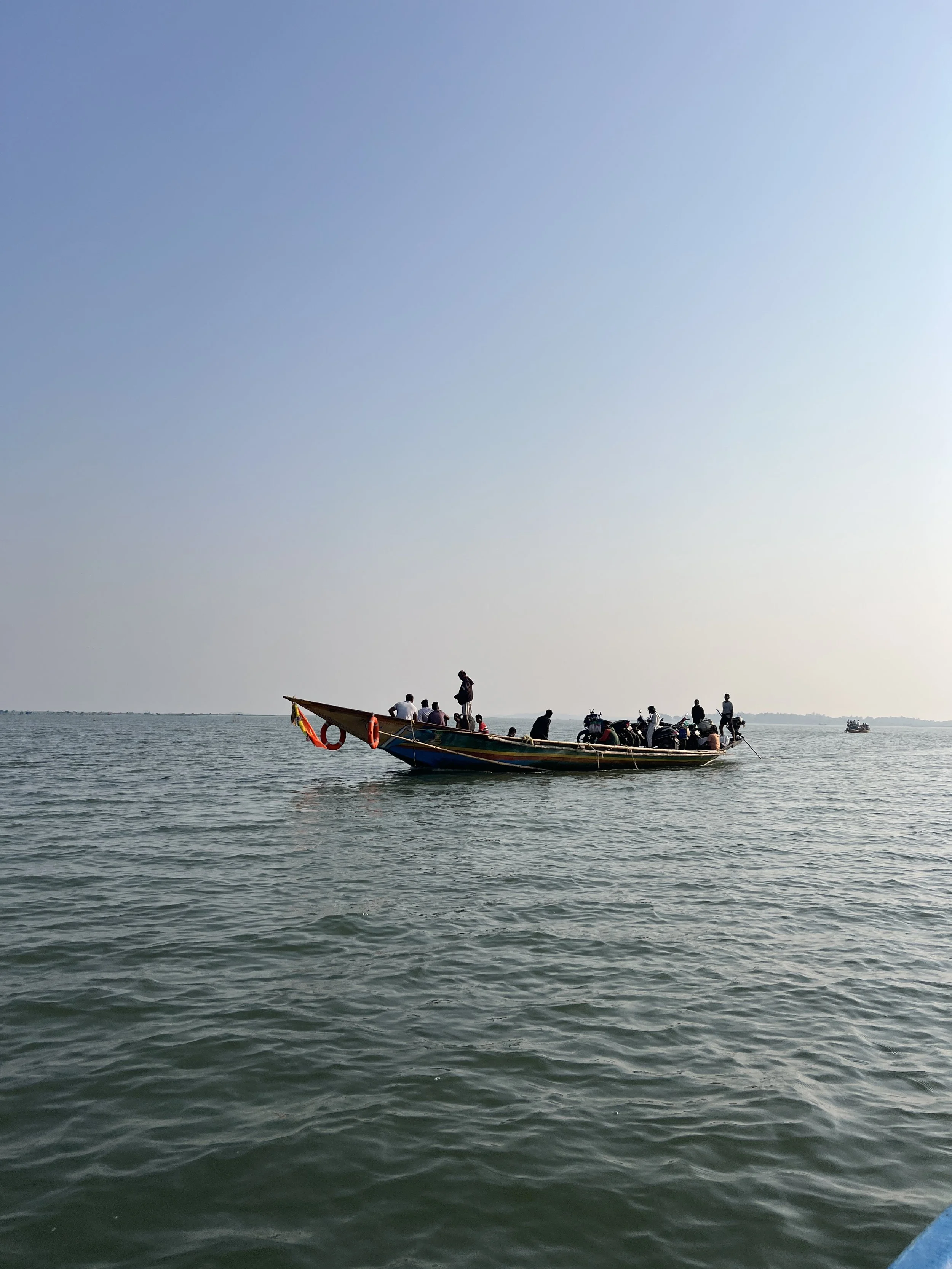
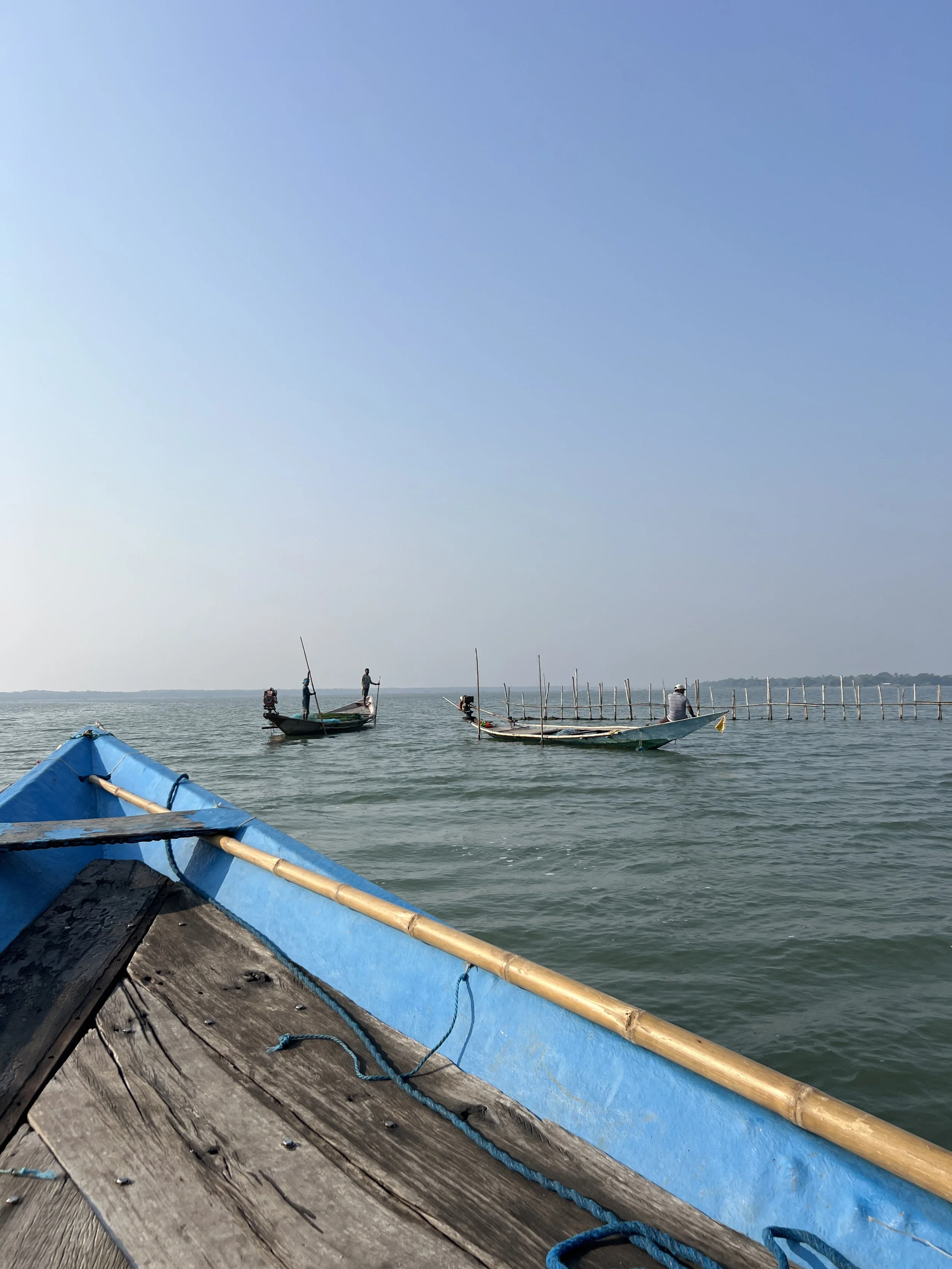
There are good onsite naturalists and boat trips to look for rare Irrawaddy dolphins where Lake Chilika meets the sea, as well as birding on and around the lake..
Sample Itinerary: A twelve night holiday with three nights each at Svanir and Kila Dalijoda, two nights at Killa Aul and at Belgadia Palace and ending with a couple in Rambha palace would cost from approximately £3500 per person.